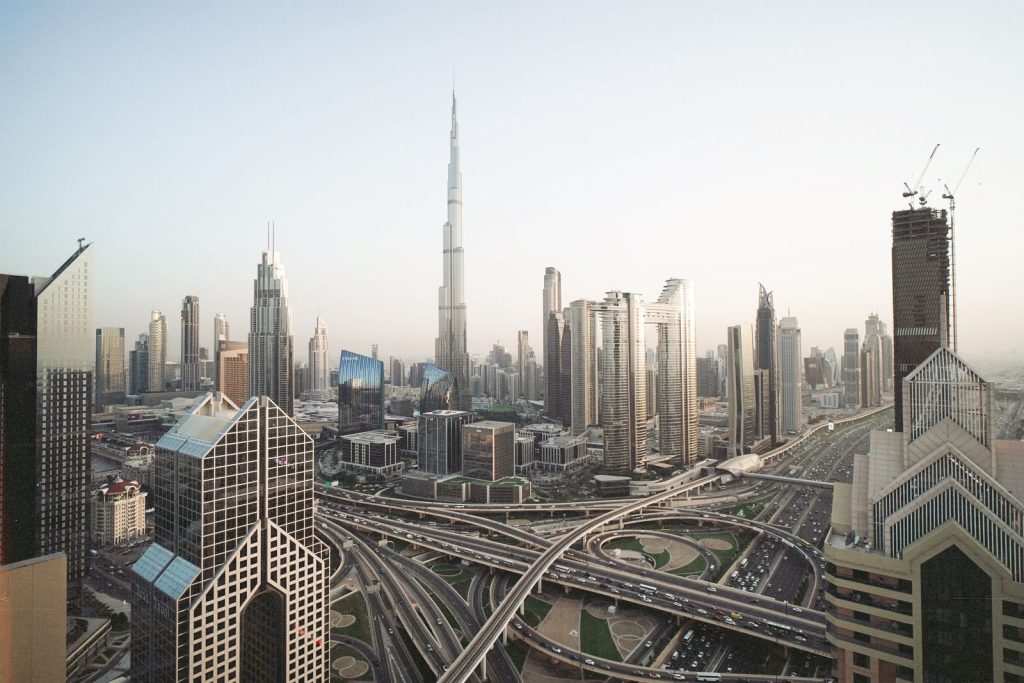
Ask a London-based fund manager where global capital is quietly relocating and the answer, more often than not, involves a flight from Heathrow to Dubai International. Ask a Dubai developer which passport shows up most often on their buyer registry, and London still ranks near the top. The two cities have spent a decade circling each other — not quite as rivals, but as two very different answers to the same question: where should serious property money actually live? The comparison has less to do with postcode prestige than with what happens to your money after you sign, and on that count, the two markets could hardly be more different.
At a Glance
- Dubai: 0% capital gains tax, 0% annual property tax, a one-time 4% Dubai Land Department transfer fee
- London: a stamp duty surcharge on additional homes that climbed to 5% in late 2024, plus UK capital gains tax of 18-24% for UK residents selling any property, anywhere
- Dubai freehold zones grant outright ownership with a title deed; most London flats are leasehold, with ground rent and service charges attached
- An AED 2 million Dubai property currently qualifies for a renewable 10-year Golden Visa; the UK’s investor visa route closed in 2022 with no direct replacement
The Tax Question Nobody Can Avoid
Dubai’s tax position has told the same story for two decades: no annual property tax, no capital gains tax on sale, no tax on rental income, no inheritance tax on UAE-based real estate. The only levy of real consequence is the Dubai Land Department’s 4% transfer fee, paid once, at the point of registration — the functional equivalent of stamp duty, but flat, one-time and predictable.
London’s arithmetic runs differently, and it runs continuously. Stamp Duty Land Tax on additional residential properties now carries a higher-rate surcharge that rose to 5% in late 2024, layered on top of the standard SDLT bands, meaning a buyer taking on a second London home can face a purchase levy well into double digits before the first council tax bill even arrives. And because HMRC taxes UK residents on worldwide income, a Briton who owns in Dubai still owes UK capital gains tax of 18% or 24% on the eventual sale, with the disposal reportable to HMRC within 60 days. None of this makes London’s numbers punitive — plenty of owners find the calculus still works in their favor — but Dubai’s simplicity is structural, not promotional. There is simply less to model, because there is less to tax.
Freehold Reality vs. Freehold on Paper
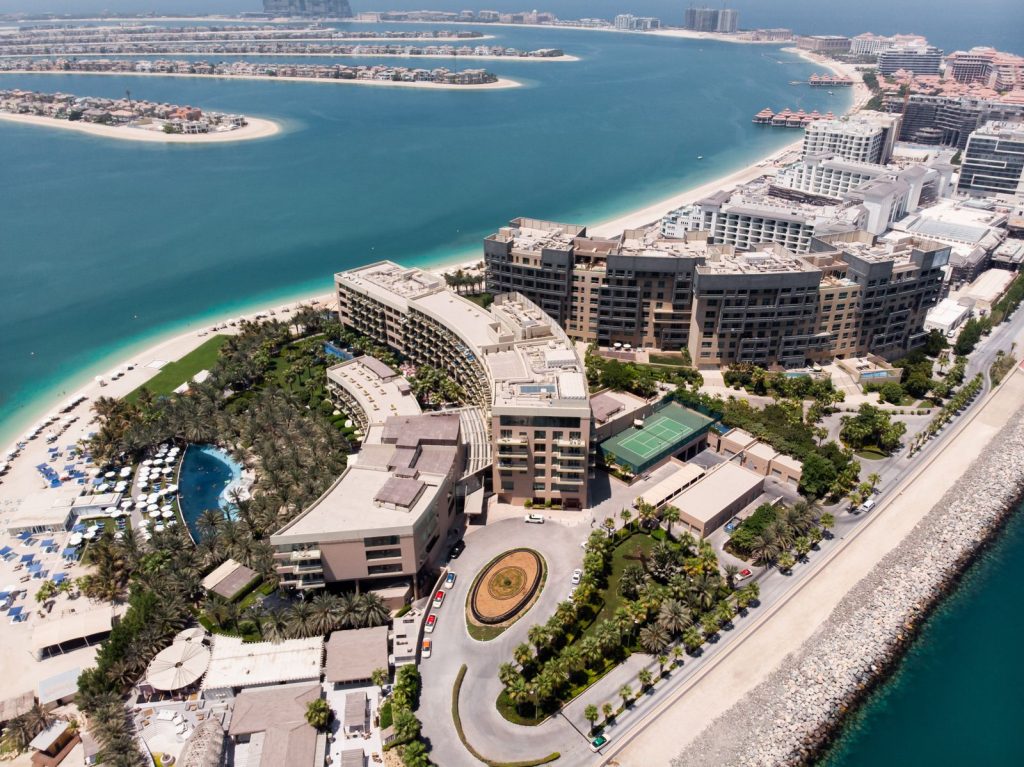
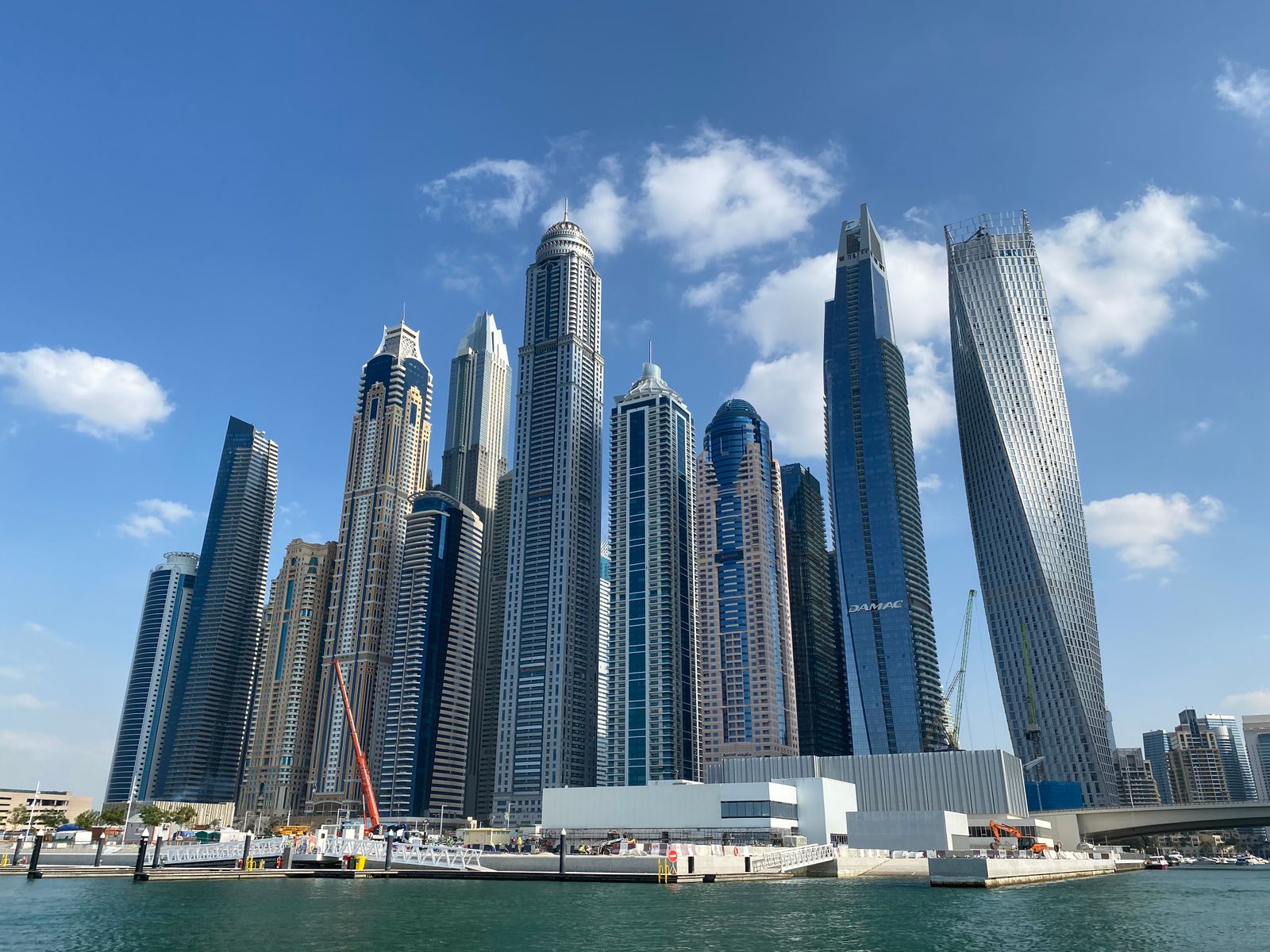
The word freehold means something different depending on which city you are standing in. In Dubai’s designated freehold zones — Downtown, Palm Jumeirah, Dubai Marina, Business Bay and dozens more — foreign buyers own the unit outright, with a title deed issued directly by the Dubai Land Department and no lease clock ticking down in the background.
In London, most houses are freehold, but the majority of flats — which is to say, most of what international buyers actually purchase — are leasehold. Ownership means the right to occupy for a fixed term, typically 99 to 999 years, while a separate freeholder retains the underlying land and often the say over service charges. Recent leasehold reforms have made lease extensions meaningfully cheaper than they were a few years ago, but the structure itself persists: ground rent, service charges that can run several thousand pounds a year on a well-appointed flat, and the occasional five-figure bill for major works. None of this makes London ownership worse — the city’s covenant strength and centuries of legal precedent are exactly what give its leasehold flats their resilience — but the paperwork is doing genuinely different work in each city.
What the Entry Ticket Actually Buys You
Cost of entry is only half the story; what that entry buys matters just as much. A Dubai purchase of AED 2 million or more currently qualifies the owner for a 10-year renewable Golden Visa, extending to spouse, children and domestic staff, with no minimum-stay requirement attached. It is residency as a byproduct of the purchase itself, not a separate, means-tested application.
The UK closed its equivalent Tier 1 Investor visa route in 2022, and nothing has directly replaced it. A London property purchase today buys a very good asset in a market with centuries of liquidity behind it — but on its own, it does not buy residency. For buyers weighing property purely as a financial instrument, that distinction is a footnote. For buyers weighing it as a life decision, it is often the whole conversation.
Frequently Asked Questions
Is Dubai really tax-free for property investors?
For the property itself, yes — no annual property tax, no capital gains tax on sale, and no tax on rental income at the Dubai or UAE level. The only significant cost at purchase is the Dubai Land Department’s one-time 4% transfer fee. Investors who remain tax-resident elsewhere may still owe tax on Dubai income or gains in their home country, so the tax-free label describes Dubai’s own regime, not a buyer’s total global tax position.
What’s the real difference between freehold in Dubai and leasehold in London?
In Dubai’s freehold zones, foreign buyers own the property outright with a title deed and no lease term to run down. In London, most flats are leasehold — the buyer owns the right to occupy for a fixed number of years while a separate freeholder retains the underlying land, which brings service charges, ground rent and lease-length considerations into the ownership equation.
Does buying property in either city come with residency rights?
Dubai’s Golden Visa links directly to property value: an investment of AED 2 million or more currently qualifies for a renewable 10-year residence permit for the owner and immediate family. The UK’s former investor visa route closed in 2022, and there is currently no direct residency pathway tied to a London property purchase.
None of this argues that one city should retire in favor of the other — London’s depth, its legal infrastructure and its centuries of capital-preservation credentials are not things Dubai is trying to replicate, and buyers who want both often end up owning in each. What the comparison does make clear is why Dubai keeps appearing on the shortlists of people who once considered London the only serious address for property capital: the compounding effect of a levy paid once instead of taxed indefinitely, of ownership that does not expire, and of a visa that arrives bundled with the deed rather than filed separately. At Arsha Homes, most of our conversations with international buyers spend less time convincing anyone that Dubai wins the comparison outright, and more time walking through exactly this kind of arithmetic — because once the numbers sit side by side, the appeal tends to explain itself.