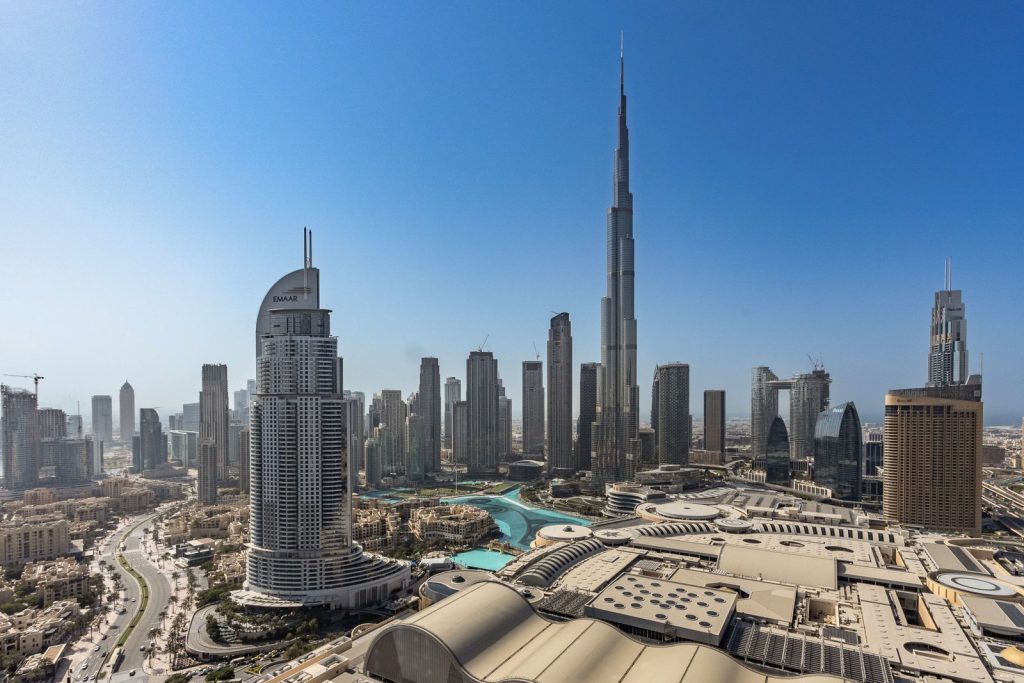
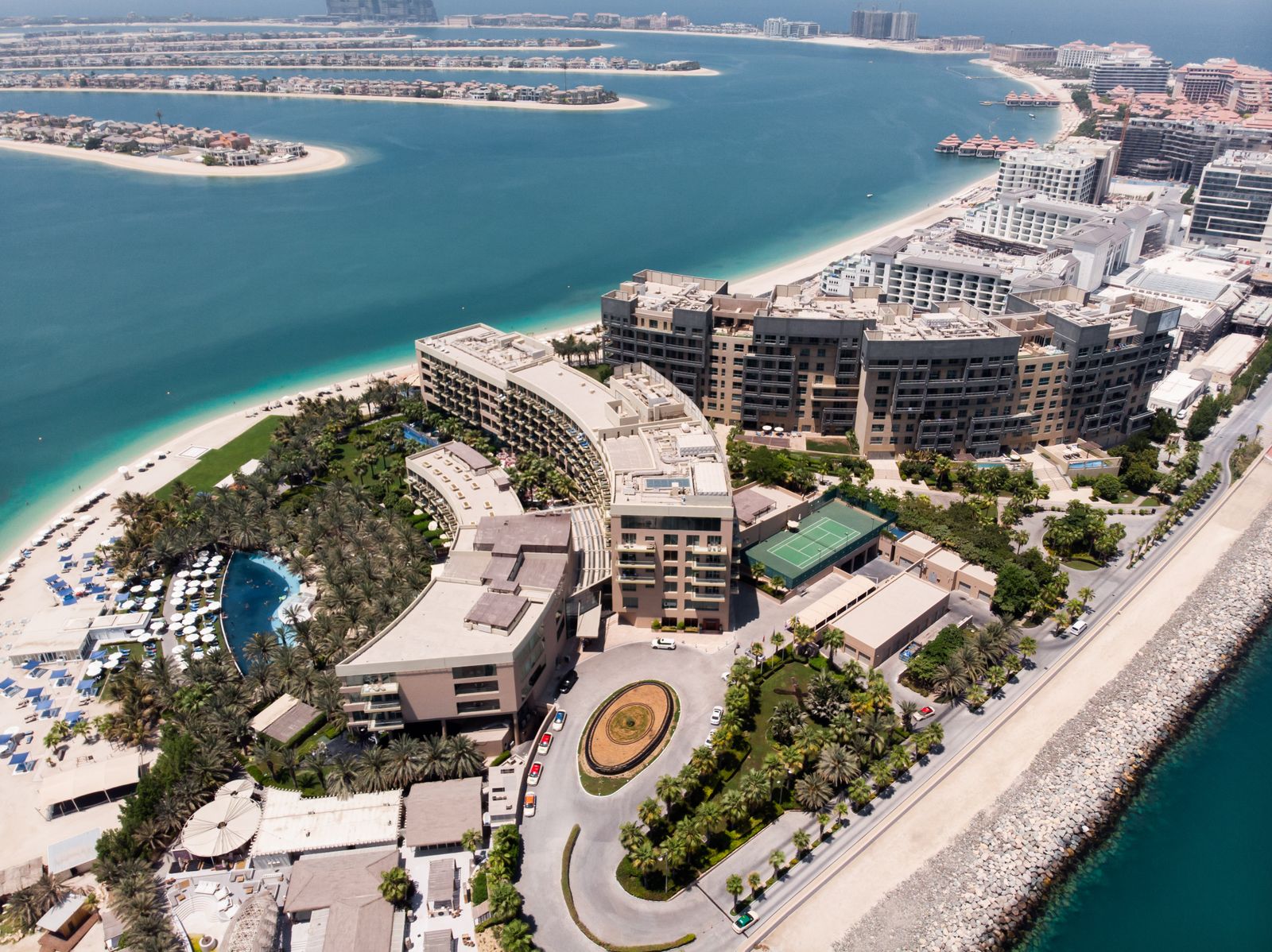
Palm trees, waterfront towers, a skyline that seems to add a crane every quarter, and a buyer base that is more international than domestic — Dubai and Miami have been compared so often over the past several years that the comparison has become a genre of its own. Both cities built their modern real estate identity on off-plan sales to foreign capital; both have weathered accusations of overheating and kept building anyway. The similarities are real. So are the differences, and they show up most clearly in the tax bill and the fine print, not the skyline.
At a Glance
- Miami: roughly 1.8% annual property tax, up to 37% US federal tax on rental income, up to 20% federal capital gains tax plus a 3.8% net investment income tax
- Dubai: 0% annual property tax, 0% tax on rental income, 0% capital gains tax, with a one-time 4% Dubai Land Department transfer fee
- FIRPTA withholds 15% of the gross sale price — not the gain — when a foreign owner sells US property
- Miami’s off-plan pipeline includes more than 60 active luxury developments across Brickell, Edgewater, Coral Gables and Miami Beach; Dubai’s off-plan market runs on a RERA-regulated escrow system tied to construction milestones
The Off-Plan Pipeline, Side by Side
Miami’s preconstruction market has stayed remarkably resilient. More than 60 active luxury developments are currently moving through the pipeline across Brickell, Edgewater, Coral Gables, Coconut Grove and Miami Beach, and pre-construction reservation volume has been running well ahead of last year’s pace. Branded residences — towers carrying a hospitality or fashion-house name — are commanding a meaningful premium over unbranded product, and the city remains the top US market for international buyers, with foreign investors driving a majority of new-construction sales and Latin American capital chief among them.
Dubai’s off-plan market operates at a different scale entirely, with new project launches announced at a pace few global cities can match and a RERA-regulated escrow system that requires developer fund draw-downs to be tied to verified construction milestones — a structural safeguard Miami buyers do not have in quite the same centralized form. Both markets protect off-plan buyers through deposit and escrow mechanisms, but Dubai’s is a single, government-mandated framework applied uniformly across every registered project, rather than a patchwork of developer-specific and state-level terms.
What the Tax Bill Looks Like After Closing
This is where the two markets part ways most decisively. An American buyer purchasing in Miami pays federal income tax on rental income, up to 37% at the top marginal rate, federal capital gains tax on sale of up to 20% plus a 3.8% net investment income tax for higher earners, and an annual property tax of roughly 1.8% of assessed value — a recurring cost that compounds every year of ownership regardless of whether the unit is rented.
A foreign, non-US seller faces an additional layer: FIRPTA, the Foreign Investment in Real Property Tax Act, which withholds 15% of the gross sale price at closing, not 15% of the gain, refundable only after filing a US tax return. On a five million dollar sale, that is seven hundred fifty thousand dollars withheld at the closing table before profit even enters the conversation.
Dubai’s buyer, by contrast, pays zero annual property tax, zero capital gains tax on sale, and zero tax on rental income, with the Dubai Land Department’s one-time 4% transfer fee standing in as the only meaningful transaction cost. Investors who remain tax-resident in their home country still owe tax there on worldwide income, of course — Dubai’s zero rate describes its own jurisdiction, not a buyer’s complete global position — but the structural difference between an annually recurring US tax bill and a one-time UAE transfer fee is difficult to overstate.
Two Different Growth Stories
Miami’s price growth has been steady rather than explosive: the median price per square foot in its million-dollar-plus condo market climbed from roughly $986 in 2024 to over $1,030 in 2025, with select new-construction product now clearing $1,080, and forecasts pointing to further, moderate appreciation through the rest of 2026. It is the growth profile of a mature, supply-constrained coastal market.
Dubai’s trajectory has been driven by something closer to demographic gravity — a sustained, multi-year influx of relocating capital and residents reshaping demand for off-plan product across the city, from established addresses like Downtown and Dubai Marina to newer masterplans still under construction. Where Miami’s story is largely about scarcity, Dubai’s is largely about inflow.
Frequently Asked Questions
Is Dubai’s off-plan buyer protection comparable to Miami’s?
Both cities use escrow mechanisms to protect off-plan buyers, but Dubai’s system is a single, government-mandated framework regulated by RERA and applied uniformly to every registered project, releasing developer funds only against verified construction milestones. Miami’s protections exist too, but through a more varied set of developer-specific and state-level contractual terms rather than one centralized regulatory system.
What is FIRPTA and how does it affect foreign buyers in Miami?
FIRPTA is a US federal law that withholds 15% of the gross sale price when a foreign person sells US real estate, regardless of the actual profit made. It applies at the point of sale rather than purchase, so it is most relevant to foreign owners planning their eventual exit from a Miami property, not to the initial buying decision.
Which city has lower ongoing ownership costs?
Dubai, structurally. Miami owners pay an annual property tax of roughly 1.8% of assessed value plus US federal tax on rental income and capital gains, all recurring costs. Dubai has no annual property tax, no capital gains tax and no tax on rental income at the local level, with the Dubai Land Department’s 4% transfer fee as a one-time cost paid only at purchase.
Miami earned its reputation the hard way — through genuine international demand, a resilient luxury buyer base and a skyline that keeps expanding even when other US markets cool. Nothing about Dubai’s numbers changes that. What the comparison does highlight is how differently the two cities treat the years after closing: one taxes ownership annually and taxes the exit again, the other largely steps out of the way. At Arsha Homes, international buyers weighing the two rarely frame it as choosing one city over the other — more often, it is Dubai’s lighter, more predictable long-term cost structure that ends up tipping a diversified portfolio further in its direction.