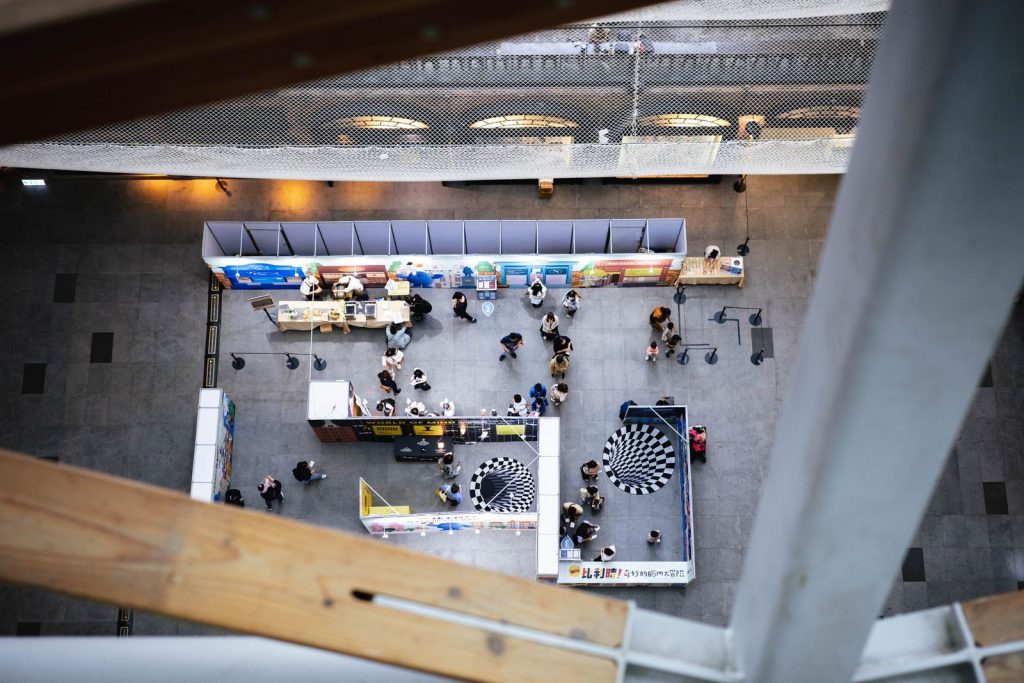

Walk through the sales gallery of a major Dubai off-plan launch today and you are as likely to hear Mandarin as any other language outside Arabic and English. That is a recent development. As recently as 2024, Chinese buyers accounted for a modest share of foreign property investment in Dubai; reporting on Dubai Land Department activity put that figure at roughly 8 percent for the year. By the first quarter of 2025, that share had climbed to around 14 percent, effectively doubling in a matter of months. Few buyer segments in Dubai’s recent history have moved that quickly, and the reasons behind the shift reveal as much about changing conditions in China as they do about anything specific to the UAE.
A Share That Has Climbed Sharply in a Short Window
Chinese buyers now sit among the more prominent nationalities transacting in Dubai, alongside long-established sources of demand from South Asia and the wider Gulf. Developers have taken notice: several major Dubai developers have escalated marketing efforts specifically aimed at wealthy Chinese buyers, running roadshows in mainland Chinese cities and Hong Kong, and citing what they describe as huge untapped potential in the segment. That kind of institutional attention rarely arrives without data behind it, and in this case the data points to a buyer group moving from peripheral to central in a remarkably short span.
It helps to place this within the market’s wider nationality mix rather than in isolation. Indian buyers have long held the largest single share of Dubai transactions, with British buyers a well-established second, but Chinese buyers have moved firmly into the following tier, ahead of several nationalities with a far longer history of investing in the city. That trajectory, arriving from a modest base and compressing years of typical growth into a single reporting cycle, is what has made the segment such a frequent talking point at industry conferences and developer strategy sessions over the past eighteen months.
What Is Drawing Chinese Capital to the Gulf
The pull is layered. Residential yields in Dubai, commonly cited in the range of 7 to 9 percent, compare favourably with returns available in many Chinese cities, particularly after years of tighter domestic property regulation and a cooling mainland real estate sector that has made international diversification more appealing to those with the means to pursue it. The UAE’s absence of annual property tax, capital gains tax, and inheritance tax adds a further layer of appeal for buyers thinking in terms of multi-generational wealth transfer rather than a single transaction. Dubai’s existing Chinese community, along with a growing base of Mandarin-speaking sales, legal, and property management services, has also lowered the practical barriers that once made a purchase this far from home feel more complicated than it needed to be.
The Golden Visa Effect
The UAE’s Golden Visa programme has become a specific and frequently cited draw for Chinese investors. A property investment of AED 2 million or more qualifies a buyer for a 10-year renewable residency visa, extendable to a spouse, children, and in some cases parents, without a minimum stay requirement to maintain it. That last detail tends to matter more than it first appears: many Chinese buyers retain business interests, employment, or extended family on the mainland, and a residency route that does not force a choice between Dubai and home is a materially easier proposition to act on than programmes elsewhere that impose stricter physical presence rules. For a segment of Chinese buyers weighing options for their family’s mobility, education access, and long-term flexibility, that combination of a tangible asset and a durable residency pathway has proven more persuasive than residency-by-investment programmes in markets offering less certain returns on the underlying property.
How Chinese Buyers Are Shopping Differently
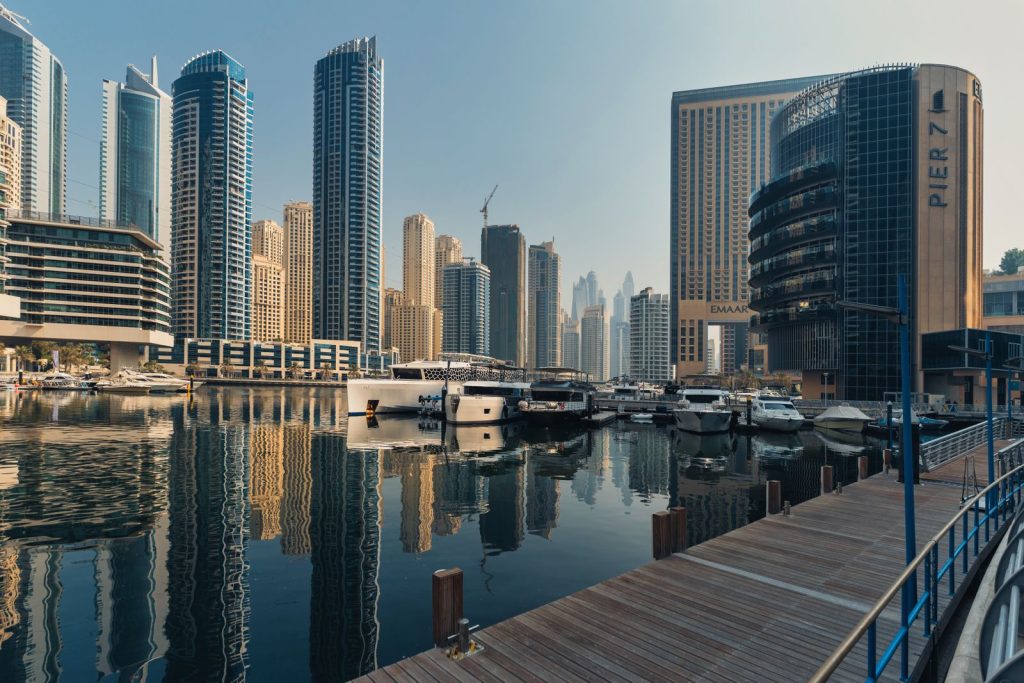
Preference data suggests Chinese investors lean more heavily toward off-plan purchases than some other nationalities, drawn by flexible payment plans that spread cost over the construction period and the potential for capital appreciation by handover. Downtown Dubai, Dubai Marina, Dubai South, and Dubai Hills have emerged as particularly popular destinations, a mix of internationally recognisable addresses and newer, growth-oriented districts near infrastructure Chinese buyers associate with long-term upside, including proximity to Al Maktoum International Airport’s expansion plans in the case of Dubai South. Ticket sizes among luxury-focused Chinese investors have also tended to run higher than the market’s mid-range segment, reflecting a buyer base weighted toward established wealth rather than first-time entry-level purchasers.
The buying process itself has adapted to meet this demand halfway. Several developers now offer bilingual sales documentation, WeChat-based client servicing, and structured payment schedules denominated with Chinese buyer cash flow patterns in mind, changes that would have been unusual in a Dubai sales office a decade ago and are now close to standard practice at any project courting international capital. That infrastructure, as much as the tax and yield arguments, has helped convert initial curiosity from Chinese buyers into completed, repeatable transactions rather than one-off enquiries.
Frequently Asked Questions
How significant is Chinese investment in Dubai property today?
Substantial and growing quickly. Chinese buyers’ share of foreign property investment in Dubai is reported to have roughly doubled between 2024 and early 2025, rising from around 8 percent to close to 14 percent, placing the nationality among the more active foreign buyer groups in the market.
What is the Golden Visa and how does it relate to Chinese buyers?
It is a UAE long-term residency programme offering a renewable 10-year visa to buyers investing AED 2 million or more in property, with family sponsorship included. It has become one of the most frequently cited reasons Chinese investors give for choosing Dubai over other international markets.
What type of property do Chinese investors typically prefer in Dubai?
Off-plan units are generally favoured, largely for the flexible payment structures and appreciation potential they offer, with Downtown Dubai, Dubai Marina, Dubai South, and Dubai Hills standing out as the most consistently popular districts among Chinese buyers.
At Arsha Homes, we have adapted quickly to this shift, building the Mandarin-language support and payment-structure fluency that today’s Chinese buyers expect, while helping them read a market that, for all its familiarity now, still rewards buyers who understand the difference between a fast-growing address and a genuinely durable one.