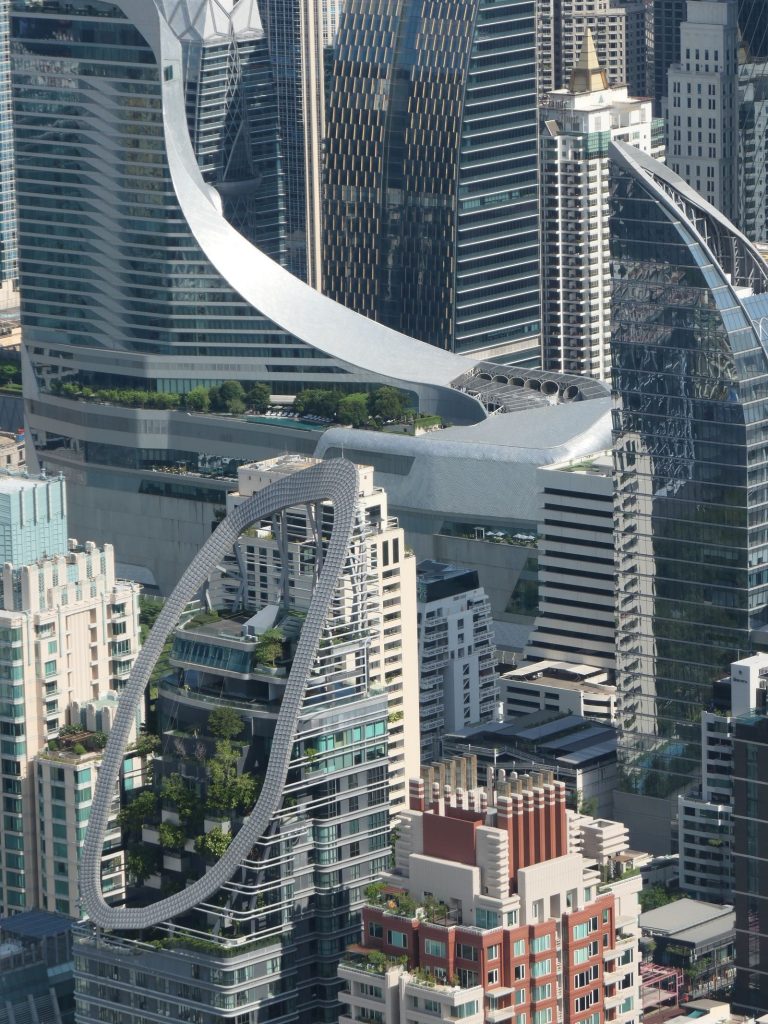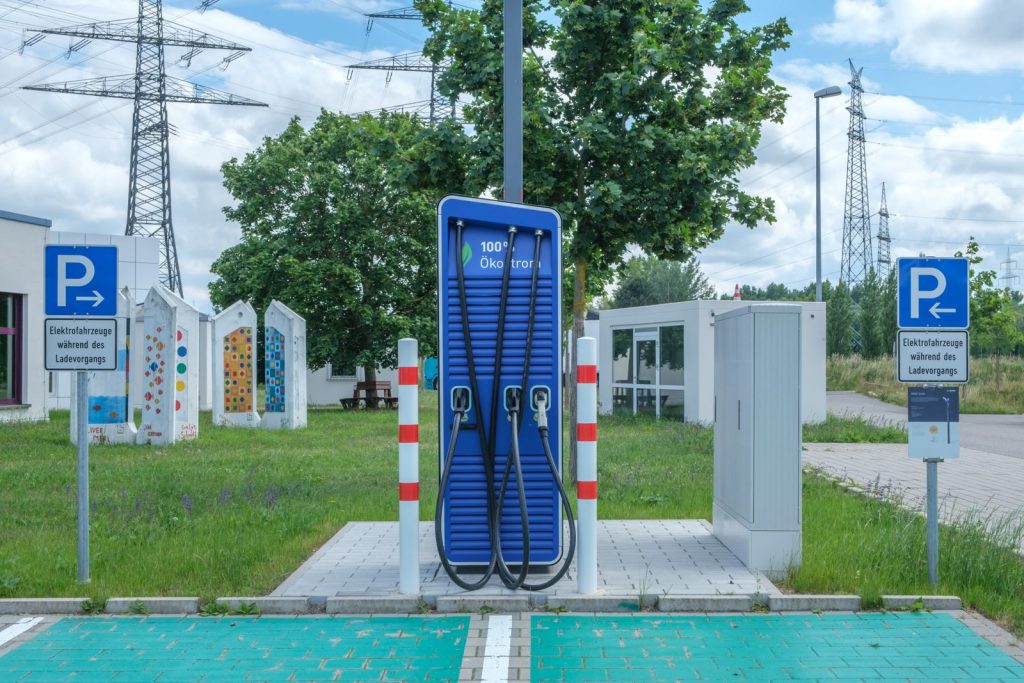
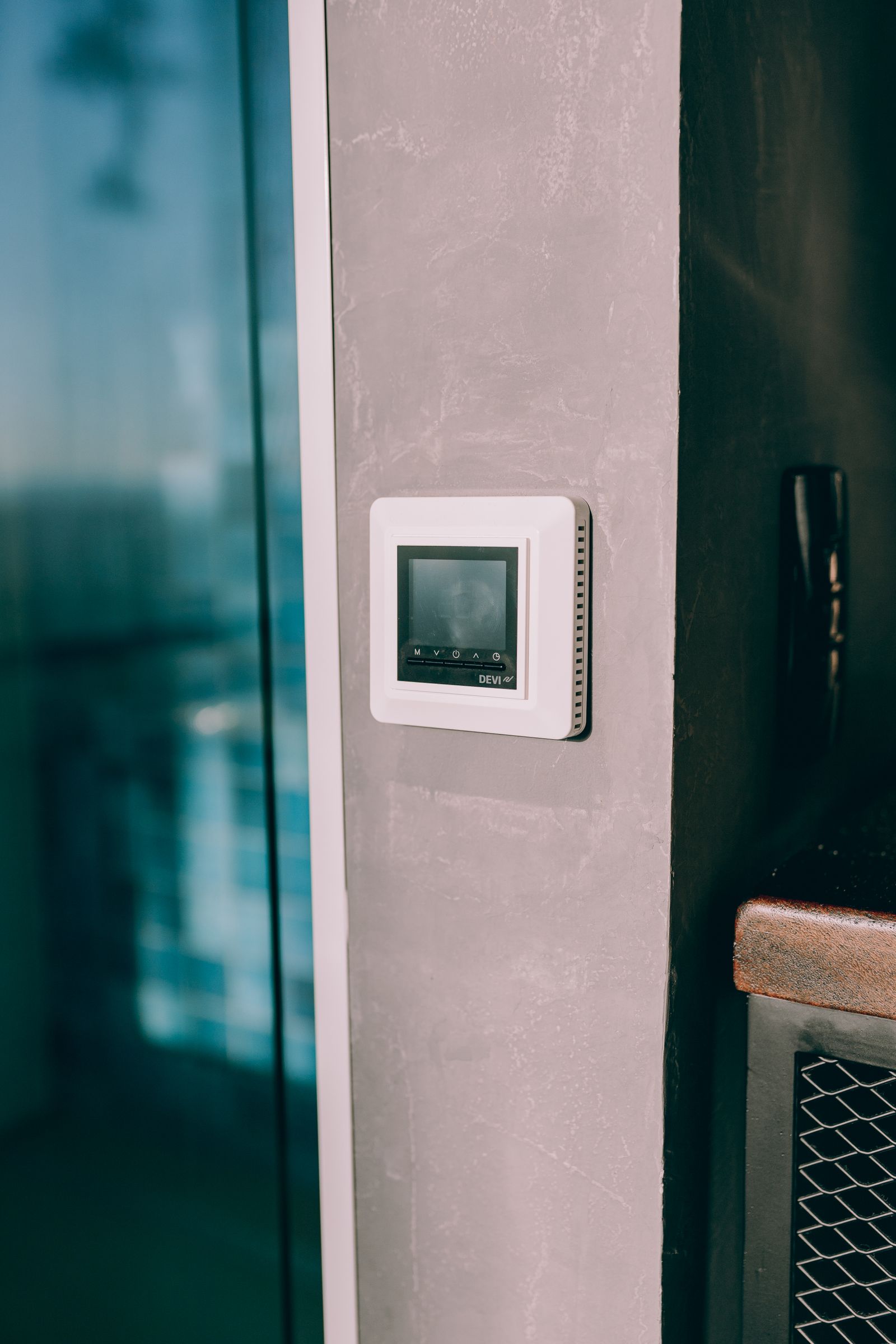
A decade ago, calling a Dubai home ‘smart’ usually meant an owner had hired an outside integrator after the fact — a lighting app bolted onto a finished villa, a camera system wired in as an afterthought. That era is closing. Walk through the sales gallery of nearly any mid-to-upper-tier launch today and the technology layer is no longer pitched as an accessory. It is treated as infrastructure, specified alongside the electrical risers and the fibre run before a single tile goes down. The change reflects something larger than product design: a swiftly rising buyer expectation that a new-build home should function on the same intuitive terms as the phone in a buyer’s pocket.
From Add-On to Blueprint
The shift has a clearer starting point than most buyers realise. In 2020, Emaar signed a memorandum of understanding with Xiaomi to launch ‘Emaar Smart Home’, a next-generation product built around Xiaomi’s connected-device ecosystem — making Emaar the first developer outside China to enter a strategic smart-living partnership with the technology group. The collaboration has continued since, including AIoT product showcases through 2023, and it set a template other major developers have followed. DAMAC, Aldar and Sobha have each moved toward specifying integrated home-automation systems as a standard inclusion in a growing share of new launches, rather than leaving buyers to retrofit their own after handover.
For a buyer, the practical difference is real: systems now typically arrive pre-installed and pre-configured, designed by the developer to work together, rather than assembled piecemeal from separate vendors after the keys change hands. As integrated technology has moved from novelty to baseline expectation among buyers comparing several launches side by side, developers who treat it as an afterthought risk looking dated before construction is even complete. The pattern is visible in specific flagship projects too: Emaar and DAMAC have both embedded automation directly into high-profile launches such as Emaar Beachfront and villa communities on Palm Jumeirah, using AI-linked systems to manage comfort and security rather than positioning them as a separate purchase.
What ‘Wired for the Future’ Actually Means
Strip away the marketing copy and the current generation of new-build smart systems tends to cover consistent ground. App-controlled lighting and climate that adapts to a household’s routines rather than waiting for a manual toggle. Remote door and gate access, so an owner travelling abroad can admit a contractor or a guest without being on site. Real-time energy consumption monitoring, increasingly tied into Dubai Electricity and Water Authority’s smart grid, giving residents a clearer picture of usage than a flat monthly bill ever offered.
Two further threads are shaping the 2026 generation of systems, according to industry coverage: interoperability, where lighting, climate, security and entertainment share one control layer instead of four competing apps, and a growing emphasis on wellness-oriented sensing — indoor air quality monitoring in particular — reflecting a shift in how developers think about the home’s role in daily health, not just convenience. None of this is happening in isolation from the city’s own ambitions, either: Dubai’s broader Smart Dubai vision and the Dubai 2040 Urban Master Plan both treat AI- and IoT-integrated living as a stated pillar of urban development, not a private-sector trend running independently of public policy.
Security as the Quiet Selling Point
For a significant share of buyers, the stronger argument for a wired-in system has less to do with convenience and more to do with reassurance. Video entry, remote-monitored access logs and integration with building-wide security infrastructure let an owner confirm who is at the door, verify a delivery, or check in on a property from another country — without needing to be physically present. In a market where a meaningful proportion of buyers hold the property as a second home or an investment managed from overseas, that remote visibility functions less as a novelty and more as an everyday form of peace of mind.
Does It Actually Move the Value Needle?
The most concrete argument for building in smart infrastructure is starting to show up in resale figures. An analysis of Dubai Land Department transaction records by a property platform in 2025 found IoT-enabled units reselling at values 8 to 12 percent higher than comparable non-connected units within the same building. That is not a marginal premium, and it suggests the market has begun pricing integrated technology the way it already prices a view or a higher floor: as a durable attribute of the asset, not a feature that ages out with the next software update. That is a notable shift in how the market prices technology generally. Consumer electronics depreciate quickly and predictably; well-integrated building systems, wired into the structure rather than bolted onto it, appear to be behaving more like a fitted kitchen or a marble finish than like a gadget on a shelf.
Frequently Asked Questions
Is smart home technology now standard in new Dubai developments, or still an upgrade?
It depends on the developer and price tier, but the direction is clear. Major developers including Emaar, DAMAC and Sobha now build core automation — lighting, climate, access control and energy monitoring — into a growing share of mid-to-upper-tier projects as part of the base specification rather than a paid extra.
What smart features actually add resale value in Dubai?
Analysis of Dubai Land Department transaction records shows IoT-enabled units reselling at an 8 to 12 percent premium over comparable non-connected units in the same building — evidence that integrated, whole-home systems, rather than isolated gadgets, are what the resale market is rewarding.
Do these systems connect to Dubai’s wider utility infrastructure?
Increasingly, yes. A growing number of new systems link into DEWA’s smart grid, giving residents real-time visibility into energy consumption rather than relying solely on a monthly statement — part of a broader alignment between individual homes and the city’s own smart-infrastructure ambitions.
At Arsha Homes, we pay close attention to which developments are building this layer in from the outset, because a control panel on its own does not make a house a home — but a property engineered with the next decade in mind tends to hold both its relevance and its value longer than one that was not.