Safety, in the places that have it, tends to go unspoken. It is not announced on a billboard or felt as relief; it is simply the absence of a calculation you would otherwise be making. Families who move to Dubai often struggle to name what has changed in the first few months. Then a small thing gives it away — a child sent to a friend’s villa two doors down without a second thought, a phone left on a café table and still there an hour later. This is safety as most people actually live it: not a statistic, but a lowering of the shoulders.
The freedoms that return without announcement
The clearest sign is usually the children. In many family communities they walk or cycle to a friend’s house, to the park, to the shop at the end of the road, and the adults barely track it. Play areas are woven into the neighbourhood, so the distance between front door and swings is short and overseen without anyone standing guard. Parents who spent years choreographing every journey find themselves, quietly, doing less of it — and the children grow more independent for it.
That freedom extends to the evening. Women describe walking home after dinner, or taking a late taxi, without the low background hum of vigilance familiar from other cities. It is rarely dramatic. It is the ordinary act of being out at night and simply thinking about the night, rather than about who might be behind you.
The small proofs of an honest city
Every community has its own catalogue of small returns — the everyday evidence that trust is warranted. A wallet handed to a security desk with the cash intact. A pushchair left outside a shop. A laptop holding a table in a busy café while its owner queues for coffee. None of these are remarkable in Dubai, and that is precisely the point; they are unremarkable.
- Phones and bags recovered rather than written off.
- Deliveries left at the door without incident.
- Children known and greeted by name at the community gate.
- Late errands run without a moment’s planning.
These are not policies. They are the residue of a place where honesty is the ordinary expectation, and where the rare exception is treated as exactly that.
Gated calm, without the fortress feeling
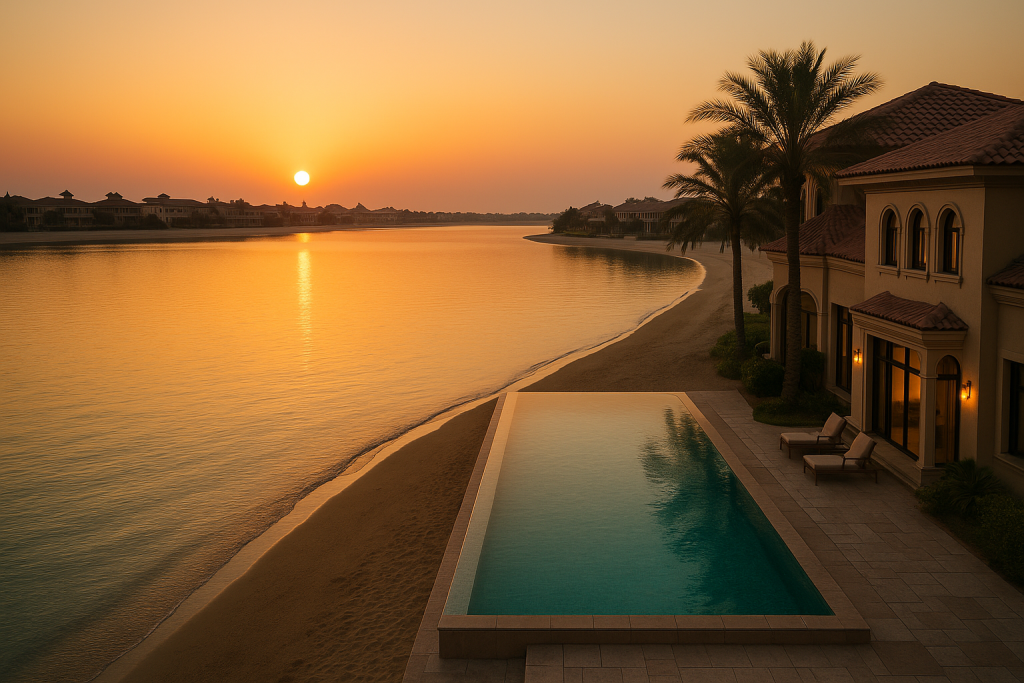
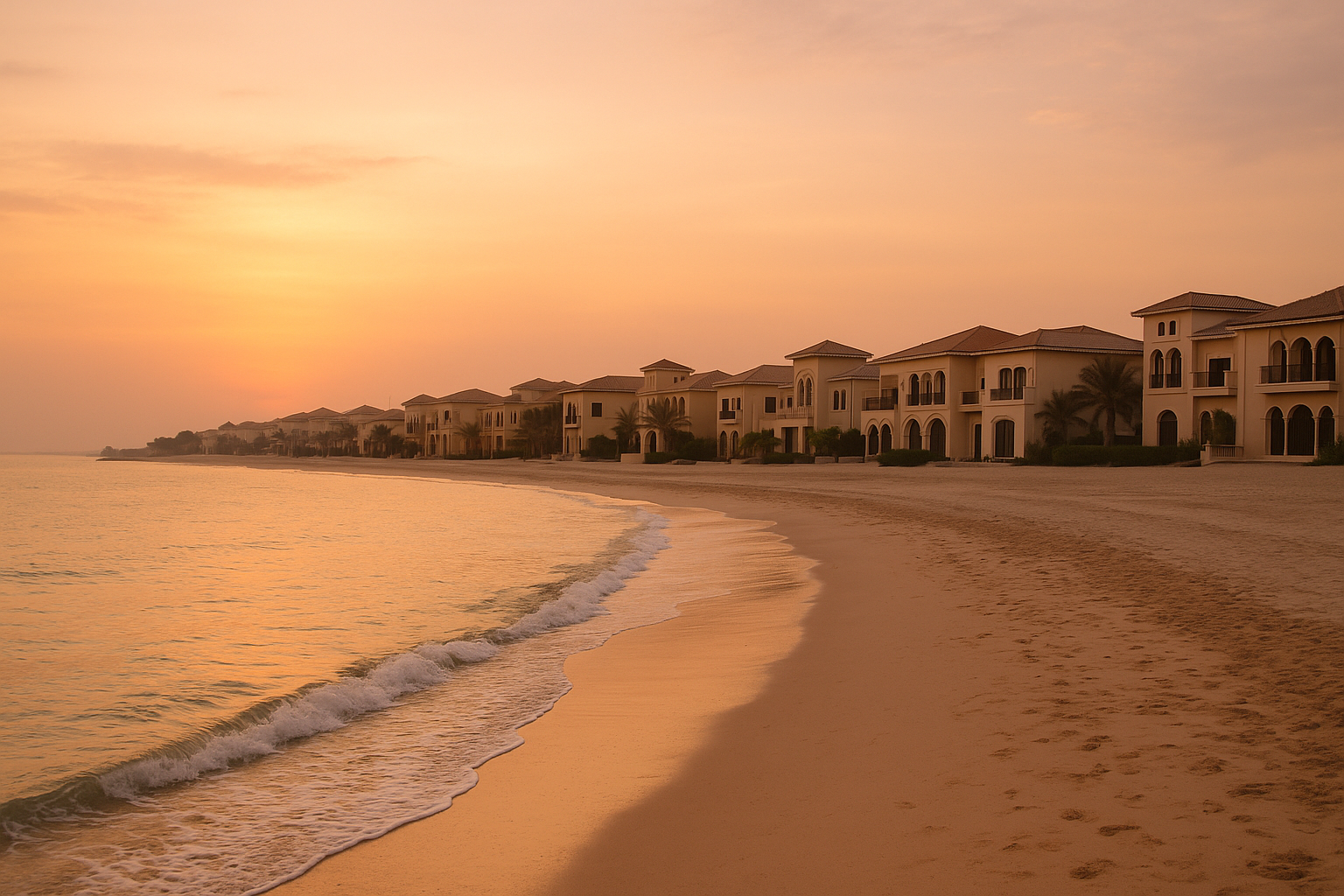
Much of family life here happens inside communities that are gated and quietly monitored, and the phrase can mislead. The barrier is not a fortress wall; it is closer to a garden gate that happens to be watched. Inside, the streets are calm, the pace slower, and neighbours recognisable. Children learn the geography of their own community early, because they are trusted to move through it.
What this produces is not seclusion but ease. The security is present enough to be reassuring and discreet enough to be forgotten — which is, in the end, the mark of it working. Families rarely talk about the gate. They talk about the evenings on the green, the school run measured in minutes, the neighbours who keep an eye without keeping watch.
There is a sociability to it that surprises newcomers. Because the ordinary friction of caution is missing, doors are left open a little longer, children collect in each other’s gardens, and a wave across the road can become a shared meal. Trust, once it is the default rather than the exception, tends to compound — the calm of the place quietly making more of itself.
How safety quietly reshapes a family’s days
When the calculation of risk fades into the background, the day reorganises itself. Time that once went into worry goes elsewhere — into longer evenings outdoors, spontaneous plans, a child’s first solo walk to a friend’s door. The change is cumulative and hard to see from inside, which is why returning visitors often notice it first: the household has slowed down and opened up at the same time.
There is a version of luxury that has nothing to do with marble or square footage. It is the freedom to not think about certain things — to let a teenager take the metro, to leave the car in the drive for a minute, to say yes to a plan without first weighing it. Dubai offers this quietly, as a condition of ordinary life rather than a feature to be sold.
The luxury of not having to think about it
Ask a family what they value most about the move and few will lead with safety. They will mention the schools, the weather, the ease of getting around. Press a little and the deeper answer surfaces: they no longer carry a particular kind of weight. The children have a longer leash. The evenings are their own. The mental ledger of small precautions has been closed, and its absence is felt as space.
That is the quiet luxury of the phrase — not the promise of protection, but the experience of rarely needing it. It asks for no volume and no theatre. It simply lets a family live at the pace they choose.
When clients ask us what daily life here feels like, this is usually the part we let them discover for themselves — we are only ever a discreet conversation away.