Ask three different buyers what the best area in Dubai is and you will get three defensible, mutually incompatible answers, and all three could be correct for the person giving them. A family relocating with school-age children is optimizing for something almost entirely unrelated to what a buy-to-let investor is optimizing for, and both are solving a different problem than a first-time buyer trying to get onto the property ladder without overextending. Generic top-areas-in-Dubai lists tend to blur these into a single ranking, which is exactly backwards. The right question is never which area is best, it is which area is best for what you are actually trying to do. The following is a framework built around three buyer profiles, not a ranked list, because the areas that serve each profile well are frequently the wrong choice for the other two.
The Family Buyer: Schools, Space, and a Community That Behaves Like One
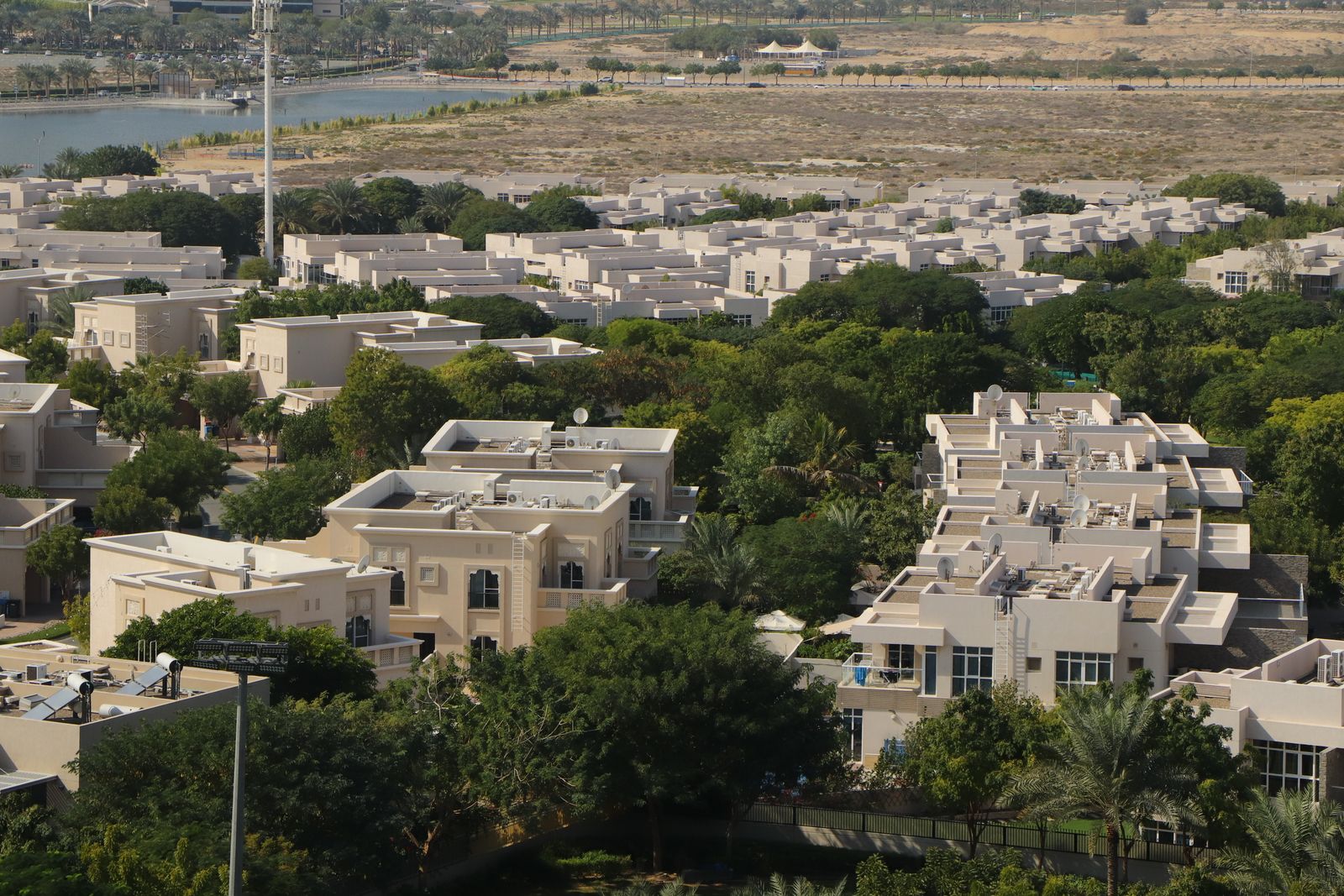
For a family buying to live in Dubai long-term, the calculus that dominates investor decision-making, yield, liquidity, transaction velocity, barely registers. What matters instead is whether a community actually functions as a neighborhood: whether children can walk or cycle to a park without crossing a six-lane road, whether a school run is a ten-minute drive or a forty-minute ordeal across the city, and whether the villa or townhouse stock offers the bedroom count and garden space a growing household needs. This is where Dubai’s older, more established master-planned communities earn their reputation, not because they are the newest or the most architecturally striking, but because they have had the time to mature into something that functions socially as well as structurally.
Arabian Ranches is the clearest example. Developed by Emaar and now spanning three phases, it was Dubai’s original large-scale villa community, and more than a decade and a half of continuous occupancy shows in the details that matter to families: mature trees rather than newly planted saplings, established internal road networks, and a resident community with enough tenure to run genuine neighborhood life rather than a transient population cycling through short leases. The community includes its own primary and secondary schools on-site, along with nurseries, which materially changes the daily logistics of raising school-age children compared with commuting across the city twice a day. Three-to-six-bedroom villas here start in the region of AED 3.4 million, reflecting the premium that comes with that maturity, though Ranches 3 offers newer inventory at a comparable price point for families who want modern specifications without sacrificing the established amenity base.
Dubai Hills Estate serves a similar family need with a different profile: a mixed community of villas, townhouses, and apartments built around a genuinely large central park, with international schools such as GEMS Wellington Academy in close proximity and its own retail mall reducing the need to leave the community for daily errands. Three-bedroom townhouses start around AED 5 million, and the community’s appeal is less about heritage, it is newer than Arabian Ranches, and more about scale and proximity to Downtown Dubai without the density of living in the downtown core itself. Families weighing the two are often really weighing maturity and established schools against newer infrastructure and more central positioning, not weighing one area against a clearly inferior alternative.
Beyond these two, worth a family’s attention are Mirdif, an older, quieter district popular with long-tenured expat families for exactly the same walkability and school-access reasons, and Al Furjan, a newer villa community trading some maturity for more accessible pricing. Across this tier of family-oriented communities, three-to-four-bedroom homes tend to start from roughly AED 3.5 million, and rental yields, for families who eventually convert a starter home into an investment as they move up the property ladder, run in a moderate 5.5 to 7.5 percent range, respectable without being the primary decision driver. For a family buyer, the honest advice is to walk the community at school pickup time and on a Friday afternoon before signing anything. The data points matter, but they do not capture whether a place actually feels like somewhere to raise children, and that is the variable this buyer profile should weight most heavily.
The Investor: Yield, Liquidity, and Which of the Two You’re Actually Buying For
Investors buying in Dubai split, whether they articulate it this way or not, into two groups optimizing for different things: cash-flow investors chasing rental yield, and capital-growth investors chasing appreciation and easy exit. Very few areas deliver both at once, and conflating the two is the most common mistake this buyer profile makes.
Jumeirah Village Circle has become the default answer for yield-focused investors, and the numbers explain why. Gross rental yields in JVC typically run between 7 and 9 percent, with some studio configurations quoted as high as 8.5 to 9.5 percent gross, figures that outpace nearly every other freehold community in Dubai. The caveat that matters here, and that most marketing material glosses over, is the gap between gross and net: after service charges, management fees, and realistic vacancy assumptions, net yields in JVC typically settle closer to 5.5 to 6.5 percent, still strong, but meaningfully below the headline number used to attract capital. JVC’s appeal beyond yield is consistency: it draws a steady population of young professionals and small families prioritizing affordability and connectivity, which tends to keep vacancy low and rental cycles predictable compared with more volatile, trend-driven pockets of the city. Dubai South and communities like Dubai Sports City, Dubai Investments Park, and Discovery Gardens sit in a similar high-yield tier, generally cited in the 7 to 9 percent-plus gross range, and appeal to the same cash-flow logic, betting on continued population growth and Al Maktoum International Airport’s long-term expansion for Dubai South specifically, though with less established rental track records than JVC’s.
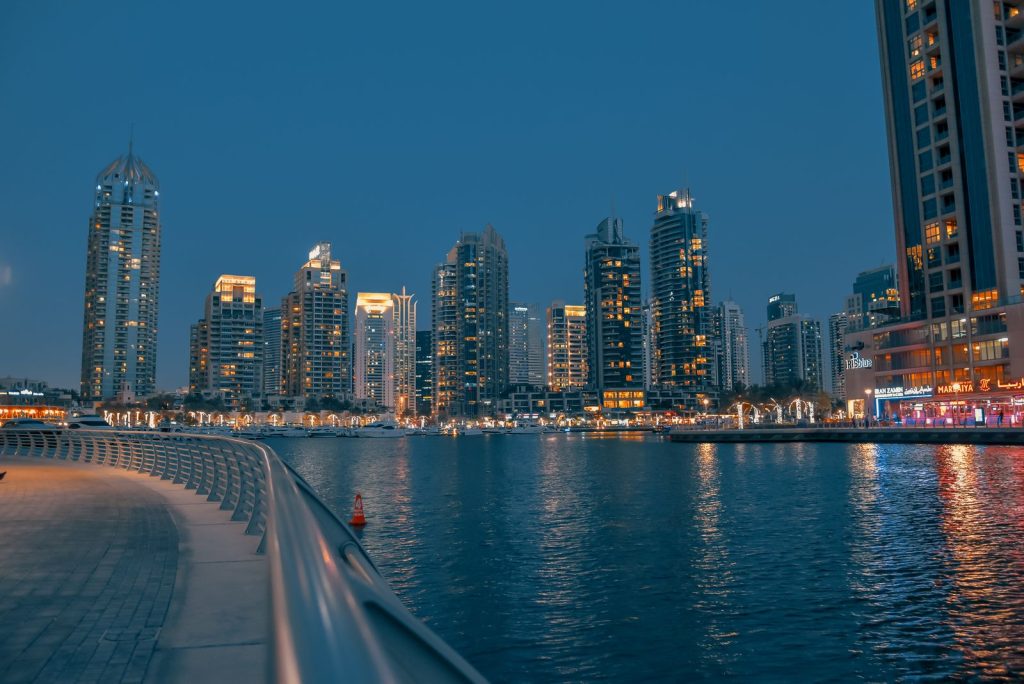
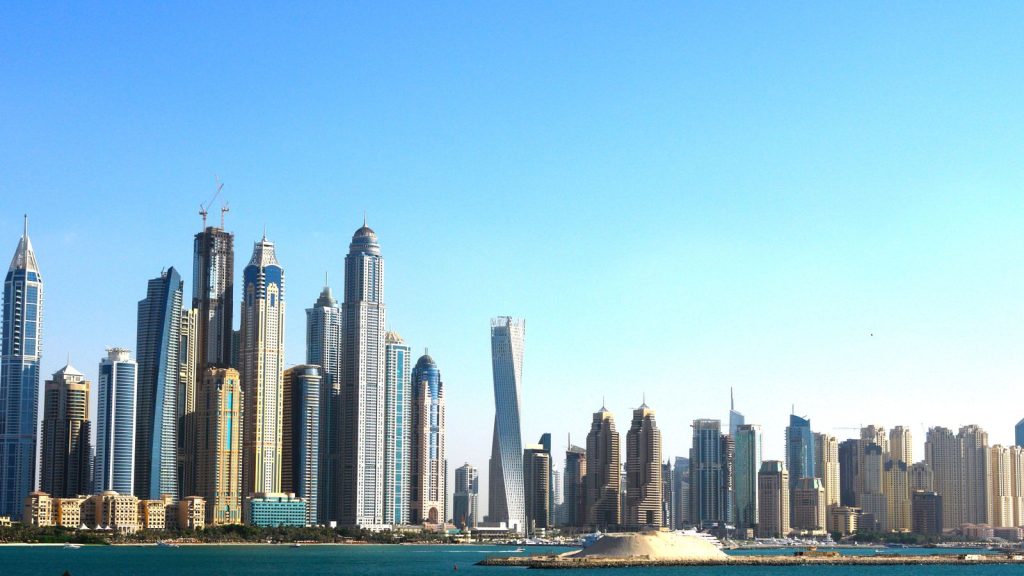
Downtown Dubai and Dubai Marina sit at the other end of the spectrum. Rental yields here compress to roughly 3 to 6 percent, well below the mid-market communities, because unit prices are bid up by the premium of the address itself, the Burj Khalifa view, the marina berth, the brand-name developer. What these areas offer instead is liquidity and capital appreciation: Dubai Marina in particular is consistently cited as one of the most actively traded secondary markets in the emirate, generating the largest share of resale transactions of any district, with typical time-to-sell for a properly priced unit running around three to five weeks and steady annual capital appreciation in the region of 4 to 7 percent in recent cycles. For an investor whose priority is being able to exit quickly if circumstances change, or who is underwriting the investment on price appreciation rather than rental income, that liquidity is worth more than a few extra points of yield in a less proven, less actively traded community. The practical takeaway for this buyer profile is to decide, before looking at a single listing, whether the investment thesis is cash flow or capital growth and easy exit, because the areas that win on one variable are rarely the same areas that win on the other, and trying to find a single neighborhood that optimizes both usually means settling for a compromised version of each.
The First-Time Buyer: Entry Price, Financing Reality, and Getting Onto the Ladder
First-time buyers in Dubai are frequently solving a problem that looks like the investor’s problem but is not: they need an area with genuinely accessible entry pricing, but they also need financing to actually clear, which introduces a set of constraints that yield-chasing alone does not capture. Under current UAE Central Bank rules, an expat buying a first property valued at or below AED 5 million needs a minimum 20 percent down payment, translating to a maximum 80 percent loan-to-value mortgage, and since February 2025 DLD registration fees and agency commissions must be paid in cash rather than financed, pushing the realistic total cash requirement closer to 26 to 28 percent of the purchase price once fees are included. That arithmetic matters enormously when choosing where to buy, because it means the headline unit price and the cash actually required to close scale together, and a first-time buyer stretching into a higher-priced area is also stretching the absolute cash outlay by a proportional amount.
This is where lower entry-price freehold areas earn their place in a first-time buyer’s shortlist. Jumeirah Village Circle again features prominently, not for its yield profile this time but because it offers genuine freehold ownership, full legal rights, mortgage eligibility, resale potential, at studio and one-bedroom price points meaningfully below Dubai’s prime districts, while still sitting inside a well-established, actively traded freehold zone rather than an untested or peripheral one. Dubai Sports City occupies a similar niche and, at the more affordable end, is one of the few areas in Dubai where studios can still be found from roughly AED 350,000 to AED 500,000, with average studio transaction prices around AED 630,000, a genuine below-AED-500K entry point being increasingly rare in the broader market. Both areas carry the practical advantage of being large enough, and traded actively enough, that a first-time buyer is not betting on an unproven micro-market: there is real transaction history, real rental demand from the young professional population these areas attract, and a functioning resale market for when the buyer is ready to move up.
The trade-off a first-time buyer should go in expecting is that these lower-entry areas are, almost by definition, further from Dubai’s most established amenity bases and further along in their infrastructure build-out than areas like Downtown or Dubai Marina. That is usually an acceptable trade for a buyer whose primary goal is building equity and establishing a mortgage track record rather than securing a forever home or a trophy asset. The more consequential mistake first-time buyers make is not choosing an affordable area, it is underestimating the all-in cash requirement, the 20 percent down payment plus unfinanceable fees, and discovering late in the process that the property they qualified for on paper requires more upfront cash than they had budgeted. Running the full cash-outlay math before area-shopping, not after falling for a specific listing, is the single highest-leverage step in this buyer profile’s decision process.
It is also worth naming the overlap cases explicitly, because real buyers rarely fit a single profile with no crossover. A family that also wants the property to function as a future rental once children move out is, in effect, borrowing part of the investor’s decision framework and should weight yield more heavily than a pure end-user would. A first-time buyer purchasing with a five-to-seven-year resale horizon rather than a forever-home mindset is, in effect, a small-scale investor and should look harder at JVC’s demonstrated liquidity and rental demand than at school proximity. None of the three profiles described here are hermetically sealed categories, they are dominant priorities, and the useful exercise is ranking your own priorities in that order, family needs first or yield first or affordability first, rather than trying to satisfy all three simultaneously in a single purchase.
Choosing the Frame Before Choosing the Address
The mistake underlying most bad property decisions in Dubai is not picking the wrong area, it is skipping the step of deciding what kind of buyer you actually are before looking at any area at all. A family that shops like an investor ends up in a high-yield, high-turnover building with none of the community stability they actually needed. An investor who shops like a family ends up overpaying for lifestyle amenities that do nothing for rental returns. A first-time buyer who shops like either without first running their actual financing numbers risks falling in love with a property their cash position cannot support. The areas named across these three profiles, Arabian Ranches and Dubai Hills Estate for families, JVC and Dubai South for yield, Downtown and the Marina for liquidity and appreciation, JVC and Dubai Sports City for accessible entry pricing, are not a ranked list of Dubai’s best neighborhoods. They are the current, verifiable answer to three different questions. Getting the right answer starts with being honest about which question you are actually asking.
Frequently Asked Questions
What are the best areas in Dubai for families?
The best areas in Dubai for families include Arabian Ranches and Dubai Hills Estate, which offer good schools, community amenities, and spacious homes suitable for long-term living.
Which Dubai neighborhoods are ideal for property investors?
Investors looking for rental yields often consider Jumeirah Village Circle and Dubai South due to their higher rental yields, while Downtown Dubai and Dubai Marina are preferred for capital appreciation and liquidity.
What should first-time buyers consider when buying in Dubai?
First-time buyers in Dubai should focus on affordable entry prices, financing realities, and total cash requirements, with areas like Jumeirah Village Circle and Dubai Sports City being suitable options.
How does community impact family home buying in Dubai?
For families, the sense of community, proximity to schools, and safe environments are crucial factors, making areas like Mirdif and Al Furjan appealing choices.
What financing options are available for first-time buyers in Dubai?
First-time buyers can secure mortgages with a minimum 20% down payment, and they should account for additional costs like DLD registration fees when budgeting for their purchase.