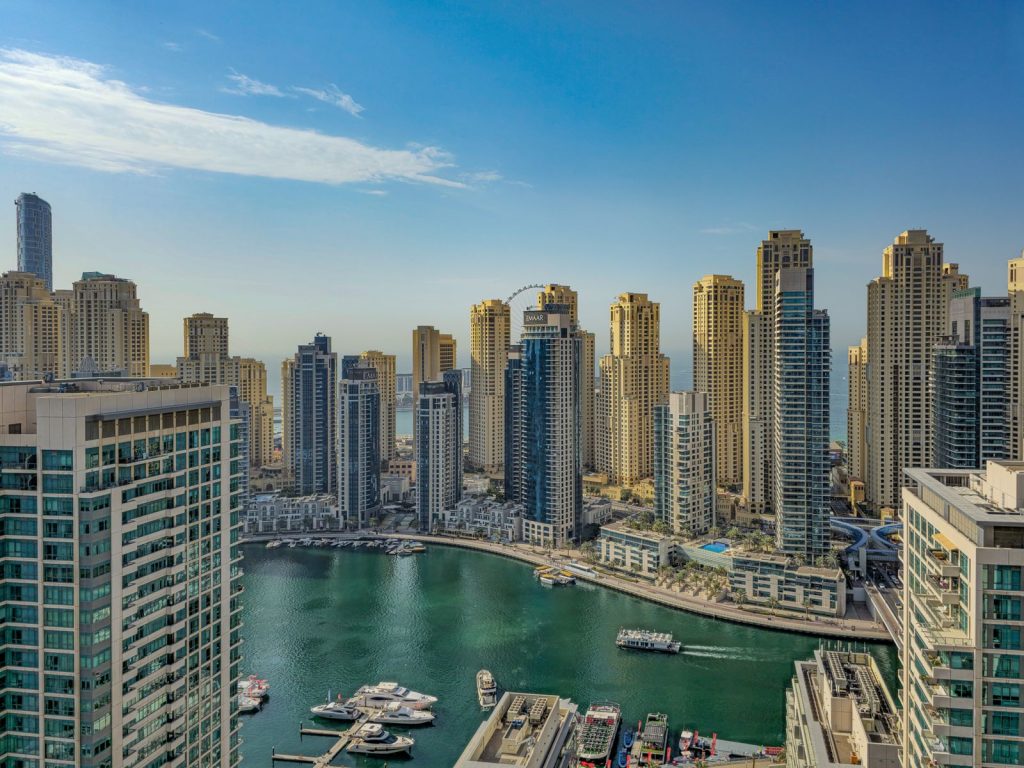
Most of Dubai’s luxury real estate has been sold on the same premise for twenty years: visibility above all else. A view of the Burj Khalifa, a marina berth, a beachfront tower with your name on the intercom list. Al Barari built its reputation on the opposite instinct. More than 60% of its roughly 15-million-square-foot masterplan is given over to botanical gardens, lakes and dense greenery, not as a landscaping afterthought but as the organising idea of the entire community. It is, in effect, Dubai’s quietest form of luxury: villas arranged low and sparse inside a private forest, built for residents who no longer need an address to announce itself.
Why Al Barari Matters
Founded in 2008 and developed independently rather than through one of Dubai’s major master-developer conglomerates — Al Barari is backed by the Emirati Zaal family and remains a self-contained, privately built community — the project has delivered more than 3,000 eco-luxury homes across six distinct sub-communities: The Nest, Seventh Heaven, Ashjar, The Reserve, The Neighbourhood and The Residences. Villa plots range from established clusters like The Nest, where outdoor showers and panoramic pools are built into a 99-villa collection, up to The Reserve, a limited run of 28 bespoke villas on plots starting around 31,000 square feet — genuinely large-format land by Dubai villa standards. Ashjar, the community’s low-rise apartment collection, gives buyers a way into Al Barari’s ecosystem without a full villa commitment, spread across five-storey buildings capped at a scale the surrounding gardens were designed to absorb.
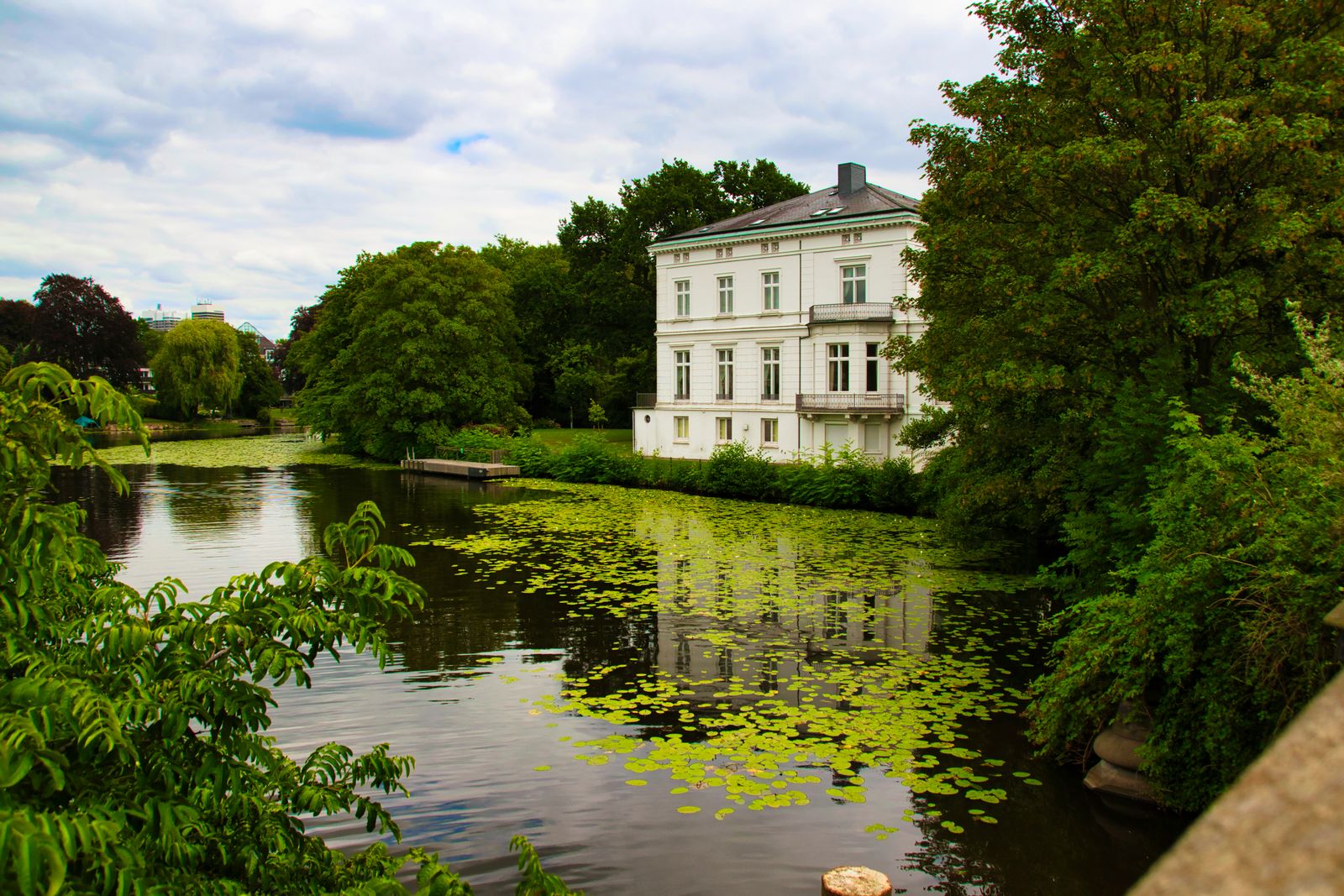
The result reads less like a gated compound than a private botanical estate that happens to contain homes. Streams, lakes and themed gardens run between the clusters, and the community’s own dining anchor, The Farm — an organic, farm-to-table restaurant set inside the gardens since 2012 — has become a Dubai destination in its own right, alongside the on-site Body Language health club and Heart & Soul spa.
The Investment Case
Al Barari’s investment logic is built on a specific kind of scarcity: there is a hard ceiling on how much low-density, garden-heavy villa land can exist inside a city built on high-rise economics, and Al Barari occupies a large share of what does. That scarcity shows up in yield data — market trackers covering the community place rental returns broadly in the mid-single-digit range for villas and somewhat higher for smaller apartment formats, with Ashjar’s compact one- to four-bedroom units typically outperforming the community’s largest villas on a pure yield basis, reflecting a smaller entry price against comparable rental demand. Growth has also been reinforced by continued expansion: newer eco-luxury villa releases with smart-home technology and dedicated wellness centres are tracking toward 2027 completion, and The Willows, a sustainability-focused townhouse development, is scheduled to complete in 2026 — both signals that Al Barari’s original developer is still actively building rather than resting on a finished masterplan.
The buyer profile is correspondingly specific. Al Barari draws high-net-worth residents, many already established in Dubai, who are less motivated by capital appreciation velocity than by long-term, low-turnover ownership of a genuinely private, low-density estate. It tends to attract buyers who have already owned in Dubai’s more visible addresses and are deliberately moving away from them.
Who Al Barari Suits
- Established end-users seeking a full villa estate with mature gardens, water features and real privacy, rather than a new-build community still growing into its landscaping.
- Wellness- and privacy-driven buyers, including families who want gated security, low density and genuine green space over proximity to nightlife or retail.
- Apartment-level investors using Ashjar as a lower-entry route into a scarce, high-barrier community, where rental demand is supported by tenants who want Al Barari’s lifestyle without a villa-scale commitment.
Lifestyle & Connectivity
Al Barari sits along Sheikh Mohammed Bin Zayed Road, close to Nad Al Sheba and the wider Dubailand corridor, giving residents fast road access to Downtown Dubai, DIFC and the airport without the community itself sitting inside the city’s denser core. The nearest metro station is roughly a twenty-minute drive, which is very much the point for buyers prioritising seclusion over walkability. Day-to-day life leans on what the gardens provide directly: jogging and cycling tracks through the greenery, a gymnasium and yoga studio, meditation gardens, and The Farm as a standing social anchor rather than a destination residents need to leave the community to reach.
Frequently Asked Questions
What makes Al Barari different from other luxury villa communities in Dubai?
The defining difference is land allocation: more than 60% of Al Barari’s masterplan is dedicated to botanical gardens, lakes and greenery rather than roads, retail or additional villa plots. Combined with low-rise density limits and a self-developed masterplan rather than a phased mega-community rollout, that makes Al Barari one of the few Dubai addresses where the landscaping is the primary asset, not a supporting feature.
Is Al Barari a good area for rental investment?
Yields vary meaningfully by product. Al Barari’s villas tend to sit in the mid-single-digit range, reflecting their scale and price point, while apartment-format homes in Ashjar generally perform toward the higher end of that spectrum, benefiting from a lower entry cost against consistent tenant demand for the community’s privacy and gardens. Investors should weigh entry price against unit type rather than treating Al Barari as a single yield figure.
How far is Al Barari from central Dubai?
Al Barari sits on Sheikh Mohammed Bin Zayed Road near Nad Al Sheba, giving reasonably fast road access to Downtown Dubai, DIFC and Dubai International Airport, though it is not a metro-adjacent community — the nearest station is around a twenty-minute drive. It suits residents prioritising space, privacy and greenery over walk-to-transit convenience.
Al Barari’s scarcity is as much a function of how little land the community releases at any given time as of demand, which means opportunities across The Nest, Ashjar, The Reserve and its sister clusters surface irregularly and rarely stay listed for long. Arsha Homes follows Al Barari’s resale and new-release activity closely, and can help buyers identify which cluster and product actually fits their brief before that window closes.