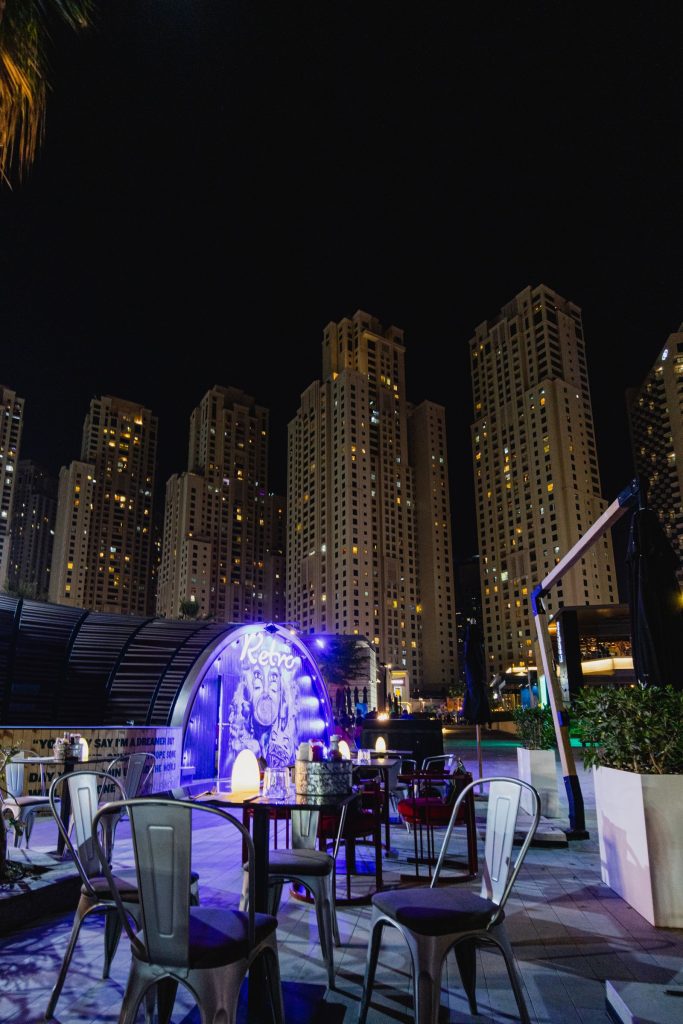

A decade ago, a Dubai property brochure listed its amenities almost apologetically: a pool, a gymnasium, perhaps a children’s play area tucked behind the parking ramp. Today those same brochures read like a wellness retreat’s spa menu. Ice baths and infrared saunas. Padel courts stacked two and three to a podium level. Running tracks that wind past water features. Golf memberships bundled quietly into the sales conversation. Somewhere in the last few years, the amenity stopped being a courtesy and became the argument. Developers are no longer only selling square footage; they are selling a version of daily life, and the contest to define that life has quietly reshaped what gets built, where, and for whom.
From Add-On to Architecture
The shift is structural, not cosmetic. Where a swimming pool and a shared lounge once satisfied the amenity brief, newer towers and master communities are designing entire floors, or entire neighbourhoods, around how residents spend their unscheduled hours. Some of the more ambitious recent launches place their signature amenities on elevated podium levels with skyline or wildlife-reserve views rather than tucking them at ground level as an afterthought — a deliberate signal that the amenity deck is now as much a design centrepiece as the lobby or the façade. Wellness-oriented communities across Dubai increasingly weave green corridors, cycling paths, jogging routes and clinical-grade wellness spaces directly into the masterplan, rather than treating them as a separate leisure club bolted on later. The reasoning is straightforward: buyers increasingly evaluate a building the way they might evaluate a hotel, asking not just what the apartment contains but what the building, and the block around it, allows them to do.
Padel’s Quiet Takeover
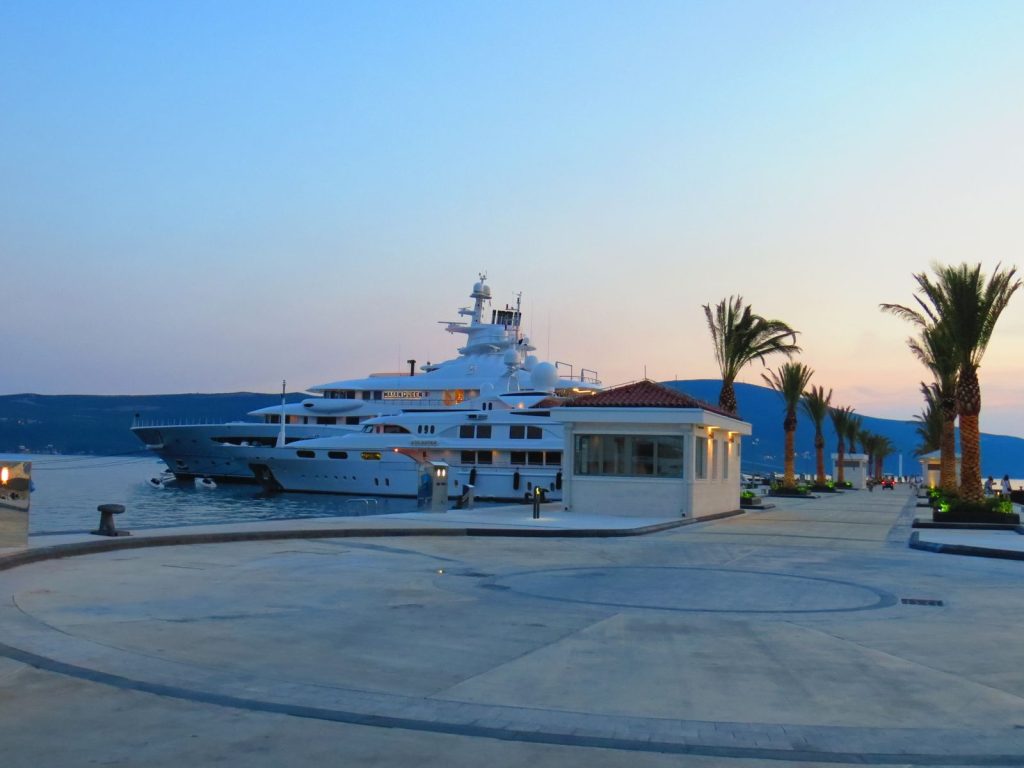
No single amenity captures the shift quite like padel. What was, until fairly recently, a niche racquet sport played at a handful of specialist clubs has expanded into a dense network of courts spread across fitness centres, hotel resorts, residential developments and dedicated lifestyle destinations in almost every district of the city. Developers have taken notice. Several new luxury launches now build padel courts directly into their amenity decks rather than treating them as a shared community afterthought — one recent tower places its court alongside an infinity lap pool, a thermal spa with ice baths and an observation deck overlooking the Ras Al Khor Wildlife Sanctuary, all on a single elevated level. At Rashid Yachts & Marina, Emaar’s Fior 1 development pairs a padel court and yoga lawns with access to a 430-berth superyacht marina — evidence that even the most water-oriented luxury addresses now consider a court a baseline expectation rather than a bonus.
Golf, Country Clubs, and the Resort Instinct
Golf has followed a parallel but older trajectory, evolving from a standalone sporting amenity into the organising principle of entire communities. Jumeirah Golf Estates remains the clearest example: residents there inherit not just a championship course but an established resort ecosystem of country club dining, wellness centres, tennis facilities, equestrian trails, parks, schools and retail, all threaded around the fairways. The community continues to expand on that formula — recent villa launches within its footprint lean into large plots, private gardens and low-density layouts that trade tower views for the particular calm of a course-side address. What both padel and golf point to is the same underlying instinct: buyers are drawn less to a single facility than to the feeling of a resort they never have to check out of.
Running Tracks and the New Wellness Economy
Not every amenity war is played on a court or a fairway. Along the coast, Dubai’s dedicated running infrastructure has become a genuine lifestyle draw in its own right. The Kite Beach running track, a well-marked coastal route stretching roughly fourteen kilometres round trip past Umm Suqeim toward Jumeirah, sits alongside an outdoor gym, a climbing wall and volleyball courts, with dedicated cycling paths connecting it onward to La Mer and the Jumeirah Corniche. Proximity to routes like this has become a genuine selling point for nearby residences, in much the same way proximity to a metro station once was. It reflects a broader pattern industry researchers have tracked globally: the wellness economy has grown into a multi-trillion-dollar sector, and Dubai developers have leaned hard into that momentum, with surveys suggesting a clear majority of buyers now weight wellness features heavily in their purchase decisions. Whether or not every dirham of premium is easy to isolate, the direction of travel is unmistakable — recovery, movement and social wellness have become as central to a project’s identity as its view.
Frequently Asked Questions
Why have lifestyle amenities become such a major factor in Dubai property decisions?
As more of daily life happens within a five-minute radius of home, buyers increasingly treat amenities as an extension of the residence itself rather than a separate perk. A well-designed wellness deck, court or running route effectively expands the useable footprint of a home, which is part of why developers now design them with the same care once reserved for lobbies and facades.
Are padel courts genuinely influencing which developments buyers choose?
Padel’s rapid growth across Dubai’s fitness and hospitality scene has made it a visible marker of a development’s lifestyle credentials, and several recent luxury launches now feature courts as a headline amenity alongside pools and spas. For a segment of buyers, particularly those already active in the sport socially, it has become a meaningful point of comparison between otherwise similar projects.
Do these amenities meaningfully affect long-term property appeal?
Communities built around an established resort-style offering, such as Jumeirah Golf Estates, tend to hold a distinct identity in the market precisely because the lifestyle is difficult to replicate elsewhere. More broadly, developments with genuine wellness and recreation infrastructure tend to appeal to a wider pool of end-users and tenants, which supports desirability over time even if it is only one factor among many.
What strikes us most, watching this play out across Dubai’s newer communities, is how much the amenity conversation has become a proxy for a much older real estate truth: people don’t just buy a floor plan, they buy how they imagine their mornings and evenings unfolding. At Arsha Homes, that is often the more revealing question we ask alongside the usual ones about layout and location — not just what a building offers, but what kind of life it is quietly designed for.