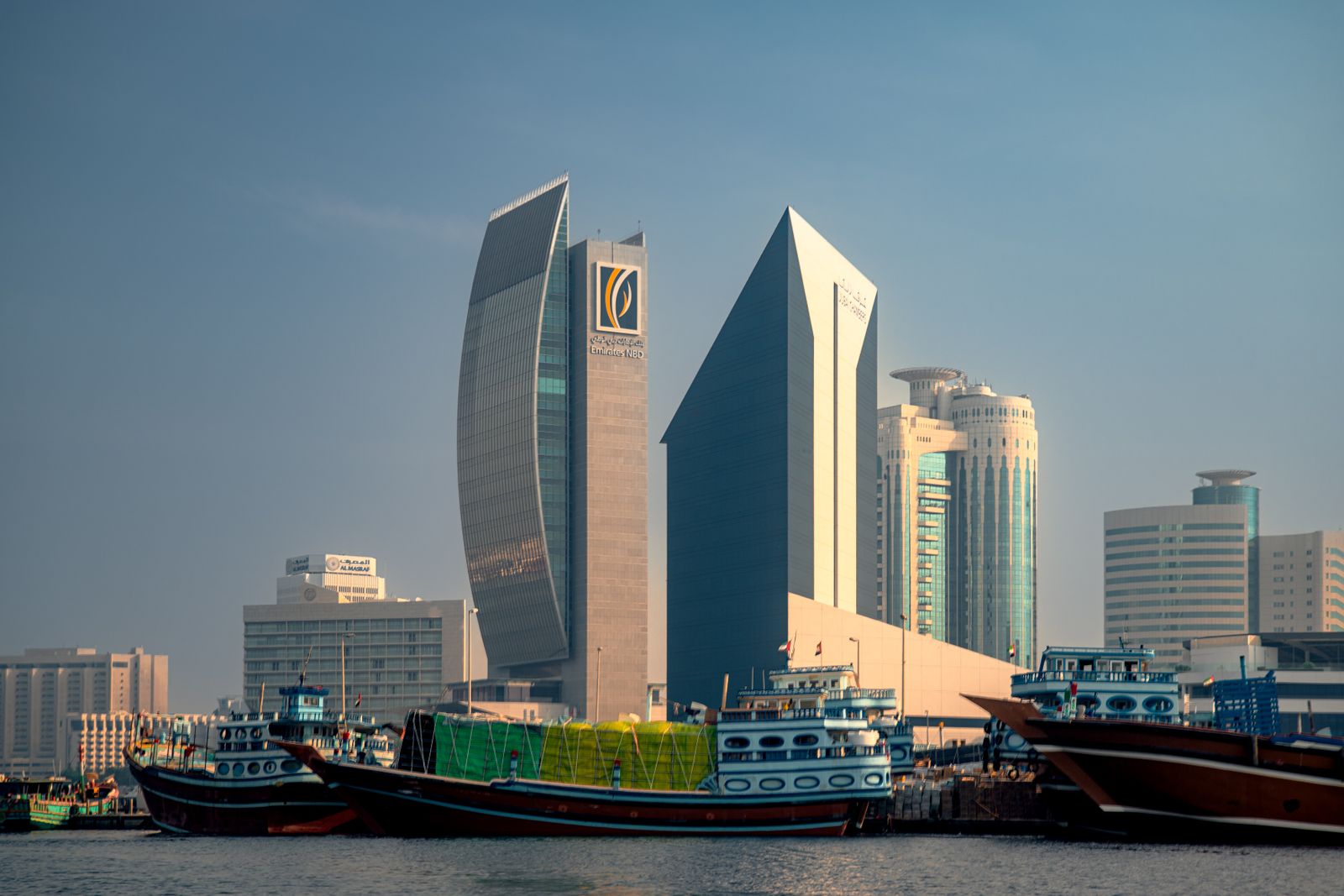
Every skyline eventually needs a new chapter. Downtown Dubai wrote one around the base of the Burj Khalifa; Dubai Marina wrote another along a man-made waterway. Now, on a six-square-kilometre island rising from the historic waters of Dubai Creek — the same inlet where the emirate’s pearling boats once moored — Emaar is drafting what may be its most ambitious chapter yet. For years, Dubai Creek Harbour has carried the informal title of the city’s next downtown. In 2026, with towers delivered, a wildlife sanctuary thriving at its doorstep, and a retail project sized to eclipse Dubai Mall moving through its tender stage, that title is starting to look less like marketing and more like a forecast coming true.
Why Dubai Creek Harbour Matters
Dubai Creek Harbour is not a single development so much as a constellation of districts stitched together around water. Creek Island, the delivered heart of the community, sits closest to the marina and to the towers most buyers picture when they hear the name. Creek Beach unfolds across a lagoon-fringed cluster between the island and the mainland. Beyond them, the wider master plan lays out an Island District, a Sanctuary District, a Retail District, a Business District, and a run of Central, North and South Park zones, each intended to carry its own character rather than repeat the last.
What ties the districts together is scale and intent. Across the full build-out, Emaar has planned in the order of 30,000 homes here, alongside hotels — Vida Creek Harbour and Address Creek Harbour already welcome guests — and a promenade built for slow evenings rather than fast drive-throughs. A detail that tends to surprise first-time visitors: the Ras Al Khor Wildlife Sanctuary, home to one of the region’s more reliable flamingo colonies, sits directly across the water, giving Creek Harbour a rare thing in a city known for concrete — a permanent, unbuildable view.
The Investment Case
The case for Dubai Creek Harbour rests on three things: who is building it, who is buying into it, and how the numbers have behaved so far.
Emaar remains the master developer, with Dubai Holding a partner on the retail centrepiece, Dubai Square — a project sized, by published estimates, to offer close to double the leasable retail area of Dubai Mall. An anchor of that scale does not get attached to a masterplan by accident; it signals how seriously the wider Emaar and Dubai Holding ecosystem is backing this address for the long run.
On yield, apartments here have tended to sit toward the upper end of what Dubai’s waterfront communities typically deliver, with smaller and lagoon-facing units generally performing best. The buyer profile leans international and DIFC-adjacent: professionals building a diversified position in an Emaar-anchored masterplan, alongside a steady inflow of European and Asian capital looking for a dollar-pegged, tax-efficient place to hold long-term wealth. It tends to be a better fit for patient capital than for short-term flippers chasing a guaranteed jump within a single year — the district rewards buyers willing to let the masterplan mature around them.
Then there is Dubai Creek Tower, the signature spire long promised to anchor the skyline. Its story has been one of pauses and redesigns rather than smooth delivery — the foundations were completed years ago before the tower itself was shelved for a design rethink. As of early 2026, Emaar’s leadership has confirmed the project is moving again, with a construction tender advancing and the design now said to prioritise aesthetics over sheer height. It is a genuinely live project once more, but buyers should treat the tower as a long-range signal to watch rather than a near-term reason to buy.
Who Dubai Creek Harbour Suits
Two buyers tend to do particularly well here. The first is the executive end-user — someone working in DIFC, Downtown or Business Bay who wants a shorter commute than the older waterfront communities allow, along with newer buildings and a more current design language than nearby Dubai Marina now offers. The second is the diversifying investor: someone who already holds property elsewhere in Dubai and wants a single, well-positioned Emaar asset to round out a portfolio, betting on a decade-long build-out rather than a single quarter’s price movement.
It suits less well the buyer chasing immediate rental maximisation above all else, or the flipper hoping for guaranteed short-term appreciation — both are usually better served in Dubai’s more mature secondary market.
Lifestyle and Connectivity
Day to day, Creek Harbour reads more like a waterfront town than a tower district. Central Park and the promenade around the marina are built for walking, running and slow mornings; the Viewing Point offers one of the more unusual panoramas in the city, looking back at both the Burj Khalifa skyline and the wetlands beyond it.
Road access is already solid: Ras Al Khor Road (E44) and Sheikh Mohammed Bin Zayed Road (E311) both run close by, with Nad Al Hamar Road offering a secondary route. Rail is the area’s honest trade-off today — the nearest operating station, Creek on the Green Line, sits roughly ten to fifteen minutes away by taxi. That will change once the planned Metro Blue Line opens a station inside the community itself, linking Creek Harbour directly to both the Red and Green Lines and to fast-growing neighbours such as Dubai Festival City, Dubai Silicon Oasis and Mirdif. Buyers weighing today’s commute against tomorrow’s infrastructure should factor the Blue Line into their medium-term view of the address rather than its present-day reality.
Frequently Asked Questions
Is Dubai Creek Harbour a good investment in 2026?
For the right buyer, yes. It suits investors and end-users looking for a well-capitalised Emaar masterplan with waterfront positioning and continued infrastructure investment, rather than those chasing the fastest possible flip. Apartment yields have generally run competitively against Dubai’s other waterfront addresses, and the pipeline of retail, hospitality and transport projects still to land gives the district genuine medium-term upside — provided buyers are comfortable holding through a masterplan that is, by design, still several years from complete.
What is the current status of the Dubai Creek Tower?
The tower has had a genuinely complicated history: its foundations were completed years ago before the project was paused for a design rethink. As of early 2026, Emaar’s leadership has said a construction tender is advancing and that the redesigned tower will prioritise aesthetics over record-breaking height. It is worth watching as a long-term signature project for the district, but a buying decision should rest on the wider masterplan rather than a firm completion date for the tower, which has not yet been set.
How do you get around Dubai Creek Harbour?
Today, residents rely mainly on the road network — Ras Al Khor Road and Sheikh Mohammed Bin Zayed Road both provide quick access to the rest of Dubai, and the nearest metro station is a short taxi ride away on the Green Line. A dedicated Metro Blue Line station is planned inside the community itself, which will eventually connect Creek Harbour directly to both the Red and Green Lines.
Dubai Creek Harbour is still being written, district by district, which is precisely why it rewards buyers who look past the current skyline and toward the one being planned. For those weighing whether this is the right chapter to buy into, and which district or building fits their goals best, Arsha Homes can help identify the opportunities in Dubai Creek Harbour worth a closer look.