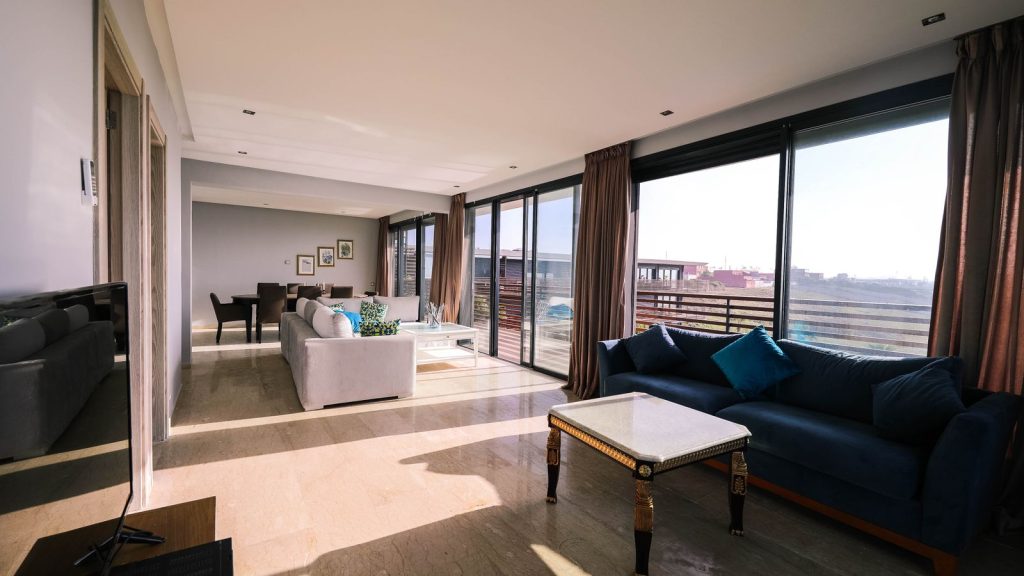

Tokenized property ownership lets you own a fraction of a real Dubai home as a digital token, with your stake recorded against the official land registry — and Dubai now has a government-backed platform for it. In May 2025 the Dubai Land Department (DLD) launched PRYPCO Mint, described in coverage as the region’s first licensed platform for tokenized real estate, built with PRYPCO and licensed by the Virtual Assets Regulatory Authority (VARA). It lets eligible investors buy fractional shares of physical Dubai properties, with reported entry points from AED 2,000 and all transactions settled in dirhams.
- PRYPCO Mint launched on 25 May 2025 as a joint DLD–PRYPCO initiative, VARA-licensed — per Gulf News, Arabian Business and Crowdfund Insider reporting.
- Early entry was reported from AED 2,000 per share, with all transactions in UAE dirhams (2025 launch figures — confirm current minimum).
- A regulated secondary marketplace for reselling tokenized stakes went live in February 2026, addressing the big question of liquidity.
- The split of oversight is deliberate: the DLD governs the physical asset and title; VARA governs the digital/token side.
- Early uptake was strong — the pilot passed roughly AED 9m (about $2.45m) in its first month and a second listing reportedly sold out in minutes.
What “tokenized” and “fractional” actually mean
Fractional ownership is the old idea: several investors each own a slice of one property and share the rental income and any capital gain in proportion to their stake. Tokenization is the newer mechanism that makes fractions easier to issue, hold and trade — your ownership slice is represented by a digital token recorded on a blockchain, while the DLD keeps the authoritative link to the physical title.
The important distinction for Dubai is that this is not a loosely regulated crowdfunding scheme. The tokens represent a stake in a specific, DLD-registered physical property, and the platform operates under VARA licensing. That combination — a real deed plus a regulated digital wrapper — is what makes the Dubai model notable. It also builds directly on the registry modernization we cover in blockchain and the Dubai Land Department: how property registration is going digital.
How Dubai’s DLD tokenization pilot works
PRYPCO Mint was launched by the DLD on 25 May 2025 as the first platform of its kind in the MENA region, according to Gulf News, Arabian Business and Crowdfund Insider. It runs in a real-estate “sandbox” — a supervised test environment — with the DLD overseeing the property side and VARA overseeing the virtual-asset side.
The investor journey, in brief
- Register and verify. At launch the pilot was open to UAE residents holding a valid Emirates ID, with international access flagged as a later phase.
- Choose a listing. The platform lists specific, vetted Dubai properties available for fractional investment.
- Buy a fraction in dirhams. You purchase a share — reported from AED 2,000 at launch — with the transaction settled in AED.
- Hold and earn. As a fractional owner you are entitled to a proportional share of rental income and any appreciation, subject to the platform’s terms.
- Exit via the secondary market. Since February 2026, a regulated marketplace allows reselling tokenized stakes rather than waiting for the whole property to be sold.
On the technology, several reports state the tokenized title records sit on the XRP Ledger, with Ctrl Alt named as an infrastructure provider. The specific ledger detail rested largely on single sources in our research, so we present it as reported rather than as a settled fact — the investor-facing point is simply that the records are blockchain-based and tied to the DLD registry.
Entry cost, scale and early results
The pilot’s defining feature is the low entry point. The table below summarises the figures that appeared consistently in launch coverage; note that these are mostly 2025 launch numbers and should be confirmed against the platform’s current terms.
| Detail | Reported figure | Source / caveat |
|---|---|---|
| Launch date | 25 May 2025 | Gulf News / Arabian Business / Crowdfund Insider |
| Minimum investment | From AED 2,000 per share | 2025 launch coverage — confirm current minimum |
| Settlement currency | UAE dirhams (AED) | All transactions, per launch reports |
| First-month volume | ~AED 9m (~$2.45m) | Arabian Business |
| Secondary market launch | February 2026 | Gulf News / launch notice |
| Longer-term projection | Up to 7% of Dubai’s real estate market by 2033 (~AED 60bn / $16bn) | Reported market-share projection — a forecast, not a guarantee |
Demand ran hot early on: the pilot reportedly surpassed roughly AED 9m in its first month, a second listing was said to sell out in under two minutes, and a waitlist grew into the thousands. Enthusiasm is not the same as a track record, though — the “7% by 2033” figure is a market-share projection, not a promise, and should be read as context rather than a forecast of your returns.
Why this matters for ordinary investors
The traditional barrier to Dubai property investment is the ticket size: a whole apartment is a large, illiquid commitment. Tokenization attacks both problems. The low minimum lets smaller investors gain exposure, and the secondary market aims to make exit easier than selling an entire unit.
If you are weighing whether Dubai real estate belongs in your portfolio at all, start with our view on whether Dubai real estate is a smart investment for 2026. For the income angle specifically, our guide to earning passive rental income from Dubai property explains how rental yield works — the same mechanics that flow through to a fractional owner, scaled to their stake.
Returns, risks and the liquidity question
What you earn
A fractional owner’s return has the same two sources as any landlord’s: rental income and capital appreciation, each shared in proportion to the stake. Expected yields depend entirely on the property and area, which is why location still dominates. Our breakdown of average ROI on Dubai real estate by area is the right reference point — tokenization changes how you buy in, not the underlying economics of the building.
The liquidity reality
The single biggest historical weakness of fractional schemes has been getting your money back out. Dubai’s February 2026 regulated secondary marketplace is the direct response, letting holders resell stakes while the ownership stays linked to the DLD registry. It is still young, however, and a marketplace existing is not the same as deep, reliable liquidity at the price you want — treat resale speed as unproven until the market matures.
Other risks to weigh
- Platform and pilot risk. This began as a sandbox pilot; terms, eligibility and scope can change as it scales.
- No control. Fractional owners typically don’t control decisions about the property — you rely on the platform’s management.
- Valuation and fees. Understand how shares are priced, what fees apply on purchase and resale, and how income is distributed before committing.
- Eligibility. Access at launch was limited to UAE ID holders; non-residents should confirm whether they currently qualify.
Where it’s heading
The direction of travel is clear: the DLD has signalled it wants more developers to list projects for tokenization, the platform has begun expanding into other asset types (a tokenized gold offering launched in June 2026), and the secondary market closes the loop on liquidity. Whether tokenization becomes a mainstream way to own Dubai property or stays a niche product depends on how the pilot scales — but the regulatory scaffolding is further along here than almost anywhere else.
To see the kind of properties that underpin Dubai’s investment market, explore our Dubai projects.
Disclaimer: This article is general information, not financial, tax or legal advice. Tokenized real estate is a new and evolving area, and the figures here reflect launch-period reporting that may have changed. Confirm current terms, eligibility and risks with the Dubai Land Department (DLD), VARA (vara.ae), the platform itself and a licensed advisor before investing.
Frequently asked questions
What is PRYPCO Mint?
PRYPCO Mint is a tokenized real-estate platform launched by the Dubai Land Department on 25 May 2025, built with PRYPCO and licensed by VARA. It lets eligible investors buy fractional shares of physical Dubai properties, with ownership linked to the official DLD registry.
How much do I need to start investing in tokenized Dubai property?
Launch coverage reported a minimum of around AED 2,000 per share, with all transactions in dirhams. That is a 2025 launch figure, so confirm the current minimum on the platform before relying on it.
Is tokenized real estate in Dubai regulated?
Yes. Oversight is split by design: the Dubai Land Department governs the physical property and title, while the Virtual Assets Regulatory Authority (VARA) regulates the digital token side. The pilot has operated within a supervised real-estate sandbox.
Can I sell my tokenized property stake?
A regulated secondary marketplace for reselling tokenized stakes launched in February 2026, allowing holders to exit without selling the whole property. It is still new, so resale speed and pricing should not be assumed to match a mature market.
Can foreigners invest in Dubai’s tokenization pilot?
At launch the pilot was open to UAE residents holding a valid Emirates ID, with international expansion flagged as a later phase. Non-residents should check the platform’s current eligibility rules directly.
What return can I expect from fractional ownership?
Returns come from a proportional share of rental income and any capital appreciation — the same drivers as owning a whole unit, scaled to your stake. Actual yields depend on the property and area, so there is no single guaranteed figure.