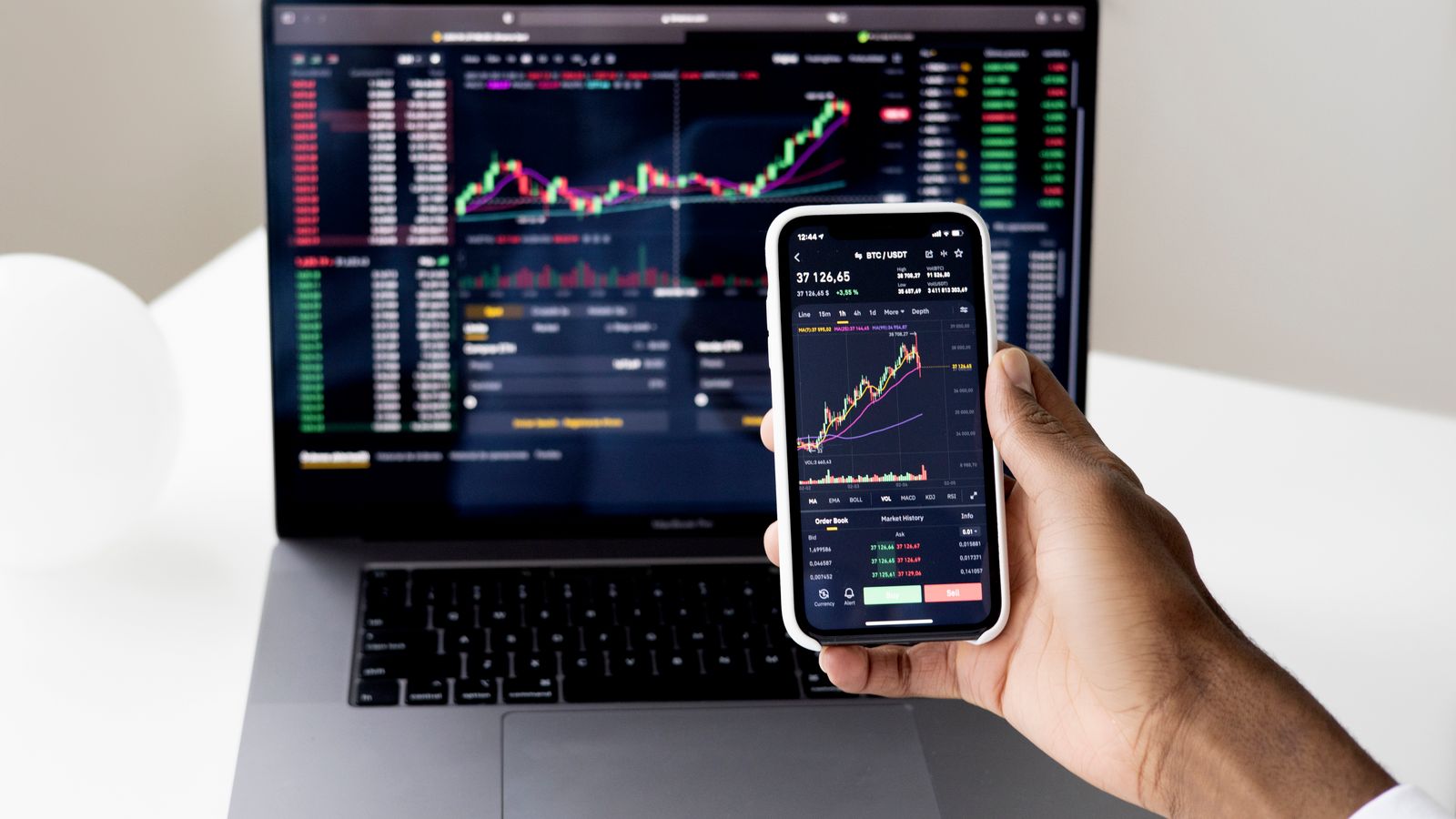
Yes, you can buy Dubai property with crypto in 2026 — but almost always indirectly. UAE law treats the dirham (AED) as legal tender and does not classify virtual assets as currency, so a property deed cannot be registered “in Bitcoin.” In practice a crypto purchase is structured as crypto → AED conversion through a regulated provider → payment and registration in dirhams at the Dubai Land Department (DLD). Your crypto provides the funds; the dirham closes the deal.
- Dubai property is registered and settled in UAE dirhams — crypto is converted to AED before the transaction, not transferred wallet-to-wallet to the DLD.
- Conversion should run through a VARA-licensed Virtual Asset Service Provider (VASP) or an equivalent regulated channel, with full source-of-funds and KYC documentation.
- Standard costs still apply, including the DLD transfer fee commonly cited at 4% of the property value plus administrative fees — crypto does not remove them.
- Some major developers (reported to include DAMAC and Emaar) accept crypto for off-plan units, but the mechanics and accepted coins vary — confirm directly with the developer.
- Rules are evolving fast; verify the current process with the DLD and VARA (vara.ae) before committing funds.
How a crypto property purchase actually works in Dubai
The headline “buy a home with Bitcoin” is simpler in a brochure than in a contract. Because the dirham is the UAE’s legal tender and virtual assets are not treated as currency, the title deed at the DLD is recorded against an AED value. That single legal fact shapes everything that follows.
The workable structure that lawyers and brokers describe is a conversion model. You hold crypto, you convert it to dirhams through a regulated exchange or over-the-counter desk, and the resulting AED is what pays the seller or developer and what the DLD registers. According to a legal analysis by UAE firm Muhami, direct wallet-to-wallet transfers for property purchases are not accepted by the DLD, and the compliant path is crypto → AED → DLD-registered purchase. We could only confirm the “direct transfer prohibited” point from that single legal source, so treat it as the prudent working assumption rather than a quoted statute, and verify with the DLD.
The typical step-by-step flow
- Agree the deal in AED. Price, deposit and payment plan are denominated in dirhams, exactly as in a cash purchase.
- Off-ramp your crypto to AED. This should go through a VARA-licensed VASP (or a DFSA/FSRA-licensed counterparty in the financial free zones), not a personal peer-to-peer swap, so the funds have a clean, documented origin.
- Document source of funds. Expect to show how the crypto was acquired and that it was converted through a regulated provider — this is central to passing anti-money-laundering checks.
- Pay and register in dirhams. The AED proceeds pay the seller/developer, and the DLD registers the transfer and issues the title deed.
If you are coming from outside the UAE, the mechanics overlap heavily with any international purchase. Our guide to paying for Dubai property from abroad walks through the banking and transfer side, and the broader step-by-step guide to buying property in Dubai as a foreigner covers the full purchase journey that a crypto buyer still has to follow.
Who regulates crypto in Dubai — and why it matters for your purchase
Two authorities matter here. The Dubai Land Department (DLD) governs the physical property, registration and title. The Virtual Assets Regulatory Authority (VARA) regulates virtual-asset activity in the Emirate of Dubai outside the DIFC financial free zone (where the DFSA applies instead). For a crypto-funded purchase, that split means the real estate leg is a DLD matter and the conversion leg is a VARA matter.
The practical implication is simple: use licensed providers. VARA maintains a public register of licensed Virtual Asset Service Providers, and running your off-ramp through a licensed VASP is what keeps the transaction on the right side of compliance. The blockchain angle also increasingly touches registration itself — see our overview of blockchain and the Dubai Land Department for how the registry is going digital.
What it costs — crypto doesn’t remove the standard fees
A common misconception is that paying in crypto sidesteps transaction costs. It does not. You still pay the same government and transaction fees as any buyer, plus you absorb the cost and spread of converting crypto to dirhams. The table below summarises the typical cost components; the precise figures should be confirmed against the DLD’s current schedule and your provider’s live rates.
| Cost component | Typical basis (confirm current figures) | Notes |
|---|---|---|
| DLD transfer fee | Commonly cited at 4% of the property value (per agency guides; confirm with DLD) | Applies regardless of payment method |
| DLD admin / registration fees | Reported in the region of AED 4,000–5,000 (range, source-dependent) | Fixed administrative charges |
| Crypto–AED conversion | Exchange/OTC spread + any VASP fee (varies by provider) | Unique to crypto buyers; shop the rate |
| Agency / brokerage | Typically around 2% (market convention) | Same as a cash deal |
For a full breakdown of what goes into a Dubai purchase beyond the headline price, see the real cost of buying property in Dubai: fees, commission and service charges explained. Every figure in the table above is given as a range or attributed to agency guidance precisely because fee schedules change — do not budget from a single number you read online.
Buying direct from a developer vs. a resale
The smoothest crypto-friendly route is often a new build. Several large Dubai developers have publicly moved to accept crypto for off-plan sales; reporting names DAMAC and Emaar among those accepting coins such as BTC, ETH and stablecoins, though the accepted assets and the exact settlement mechanism differ by developer and we did not verify these against each developer’s own terms. In practice the developer (or its payment partner) typically handles the conversion to AED on the back end, which simplifies things for the buyer.
A resale (secondary-market) purchase from a private seller is also possible but usually puts more of the conversion burden on you, since you need AED in hand to pay the seller and register at the DLD. Either way, you are converting to dirhams — the only question is who manages that step.
Risks and realities to weigh
Volatility and timing
Crypto prices move. Between agreeing a price and completing conversion, the dirham value of your holdings can swing. Converting early (and holding AED) reduces timing risk but means you are no longer exposed to crypto upside. This is a personal risk decision, not a regulatory one.
Compliance and source of funds
The UAE has tightened virtual-asset oversight, and source-of-funds scrutiny is real. Using a regulated VASP and keeping clean records of how the crypto was earned and converted is the single most important thing you can do to avoid delays. A personal peer-to-peer off-ramp is exactly what creates problems.
Golden Visa expectations
Dubai’s property-linked Golden Visa is frequently discussed alongside crypto purchases. A crypto-funded purchase can count toward residency the same way a cash purchase does, because what the DLD registers is an AED-valued property — not a coin. We did not find an official, current figure for the property threshold in our 2026 sources, so confirm the exact qualifying amount and conditions through the official Golden Visa channels rather than relying on agency blog figures.
A note on fast-moving rules
Several claims circulate in the market that we could not independently confirm for 2026 — for example, that a previous 50% down-payment restriction was removed in early 2026. We have deliberately left such points out of the firm guidance above because they trace to single sources. The sensible approach is to treat crypto property purchases as a well-trodden but still-evolving path: the core mechanism (convert to dirhams, register at the DLD) is stable, while the finer compliance details change.
Ready to see what’s available? Browse our Dubai projects to find developments where a crypto-funded purchase can be arranged.
Disclaimer: This article is general information, not financial, tax or legal advice. Virtual-asset and property regulations in Dubai evolve frequently. Confirm the current process, fees and eligibility with the Dubai Land Department (DLD), the Virtual Assets Regulatory Authority (VARA, vara.ae) and a licensed legal or financial advisor before acting.
Frequently asked questions
Can I pay the Dubai Land Department directly in Bitcoin?
No. The DLD registers property in UAE dirhams, and virtual assets are not treated as currency. Crypto is converted to AED through a regulated provider first, and the dirham amount is what the DLD records. Direct wallet-to-wallet payment to the DLD is not the accepted route.
Is buying property with crypto legal in Dubai?
Yes, when done through the compliant structure: convert crypto to AED via a VARA-licensed VASP (or equivalent regulated channel), document the source of funds, and complete the purchase and registration in dirhams. The legality rests on using regulated conversion, not on paying a seller in coins.
Do I still pay the usual fees if I buy with crypto?
Yes. You pay the same DLD transfer fee (commonly cited at 4% of value), administrative and registration charges, and any brokerage — plus the cost of converting crypto to dirhams. Crypto does not reduce transaction costs; it adds a conversion step.
Which developers accept crypto in Dubai?
Reporting indicates several large developers, including names such as DAMAC and Emaar, accept crypto for off-plan purchases, often handling the AED conversion on the back end. Accepted coins and exact terms vary, so confirm directly with the specific developer before relying on it.
Can a crypto purchase qualify me for a Golden Visa?
A crypto-funded purchase can count toward a property-linked Golden Visa the same way a cash purchase does, because the DLD registers an AED-valued asset. The qualifying property threshold and conditions should be confirmed through official Golden Visa channels, as published figures vary.
What’s the biggest risk of buying with crypto?
Two stand out: price volatility between agreeing the deal and converting to AED, and compliance friction if funds aren’t off-ramped through a regulated VASP with clear source-of-funds records. Both are manageable with early conversion and licensed providers.